
Immediately
Preserve cause and responsibility evidence
Secure reports, scene or product evidence, witnesses, photographs, video, medical and investigative records, and information about involved parties.
Services for people and families navigating injuries, unsafe conditions, and loss caused by an incident.
10 servicesThe Matter
A wrongful-death matter combines investigation of the death with a statutory claim structure, estate administration, identification of survivors, insurance, financial records, and respectful documentation of personal loss.
Immediately
Secure reports, scene or product evidence, witnesses, photographs, video, medical and investigative records, and information about involved parties.
For the statutory claim
Determine the personal representative, estate status, qualifying relationships, dependents, and the categories of loss potentially at issue.
Toward resolution
Address liability, coverage, liens, allocations, approvals, releases, estate administration, and the interests represented.
The death and the claim are not interchangeable. Responsibility, causation, statutory claimant structure, recoverable losses, defenses, and procedural requirements each need separate support.

The incident theory may arise from negligence, a product, premises, transportation, or another recognized basis and must be proved.
Medical records, death investigation, prior health, expert evidence, and the event record may address the required connection.
Florida’s statutory structure assigns roles and potential loss categories based on defined relationships and circumstances.
Support, services, medical or funeral expenses, estate loss, and survivor-specific damages require accurate individualized proof.
The relevance and legal effect of each factor depend on the documents, parties, governing law, and procedural posture. This framework is general information, not a conclusion about a specific matter.
Terms You May Hear
Plain-English orientation to Florida statutory concepts. Eligibility and recoverable categories require current, matter-specific legal review.
A person included within the statutory definition for wrongful-death purposes, depending on relationship and circumstances.
The matter should proceed with sensitivity and discipline: preserve the underlying evidence, establish estate authority, identify statutory interests, document loss, and coordinate resolution.
Discuss Your SituationPreserve incident materials, identify insurers and agencies, and protect the family from inconsistent or premature statements.
Confirm or initiate appointment of the appropriate personal representative with probate counsel as needed.
Develop the event, party, medical, technical, and defense record using qualified sources.
Document relationships, support, services, expenses, estate issues, and individualized statutory categories.
Analyze defendants, insurance, liens, allocation, procedural requirements, and potential resolution structures.
Document settlement and allocations or proceed through litigation while coordinating estate and court requirements.
Explore related services for catastrophic injury, transportation, premises, products, and brain injury.
Explore Practice AreasVerum Law represents individuals and businesses in civil litigation and transactional matters across Florida.
Bodily Injury: 10 services
Services for people and families navigating injuries, unsafe conditions, and loss caused by an incident.








The current firm concept emphasizes a practice spanning transactional matters and civil litigation for Florida businesses and individuals.
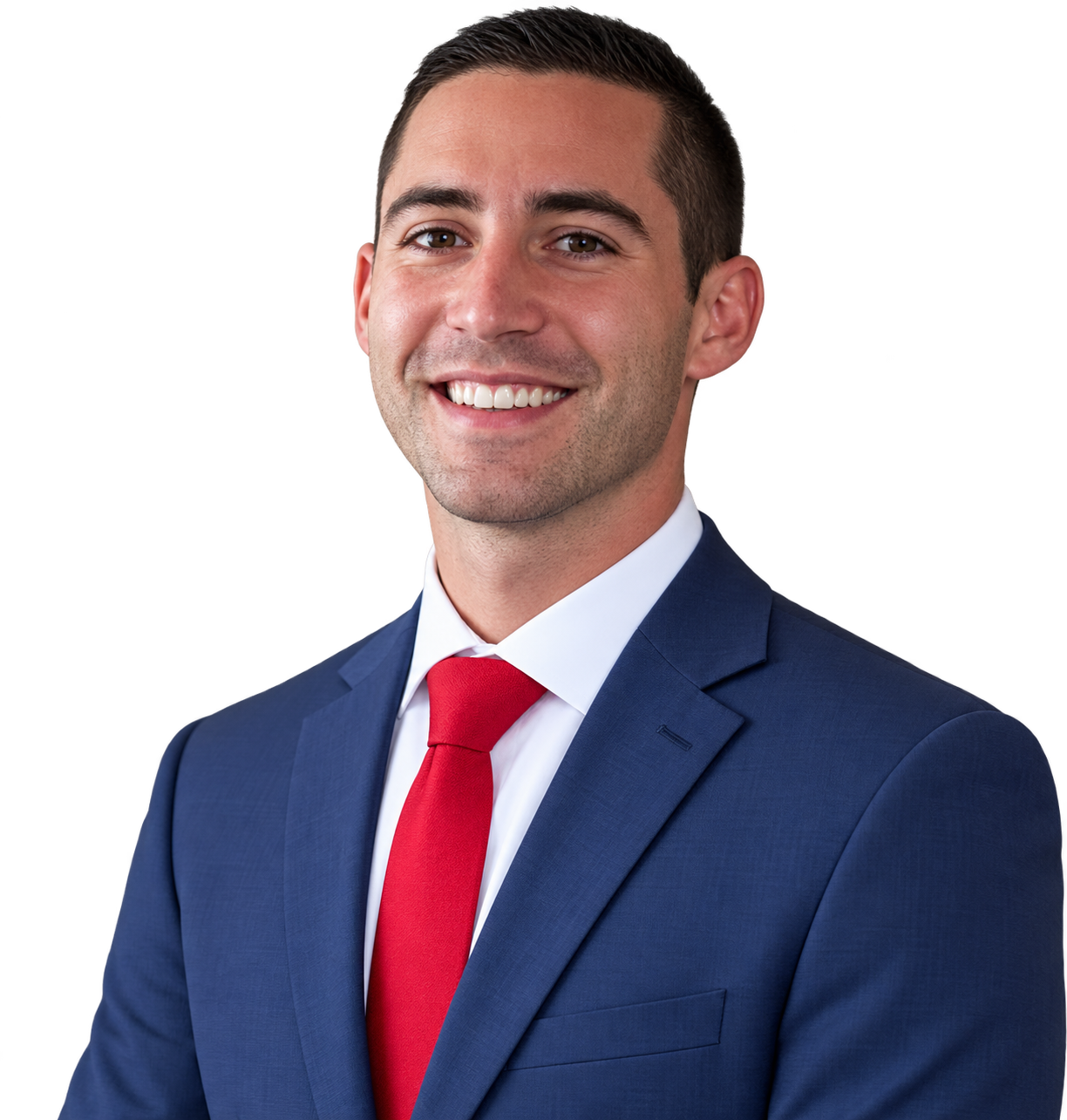
Charles Possino is identified in the supplied intake as Verum Law's founder and managing partner. The reported practice description includes representing individuals and businesses in civil litigation and transactional matters.
The supplied biography also describes work from inception through trial and appeals in state and federal courts. These credentials and experience statements require verification before public use.
General orientation only. Florida’s statute defines the claim structure, but eligibility, damages, procedure, and deadlines require prompt individualized advice.
Free Case ConsultationFlorida’s statutory structure places the action with the decedent’s personal representative for the estate and survivors, subject to the law and estate appointment.
The statute defines qualifying relationships and includes circumstance-specific rules. Family structure and dependency require careful review.
Because the personal representative and estate have statutory roles, probate coordination is commonly important even when the central dispute concerns wrongful death.
Incident and agency records, medical and funeral documents, insurance communications, photographs, employment and financial records, and evidence of support and services may matter.
Allocation among estate and survivor interests and claims involving minors or other protected interests may require agreement, court review, or other procedures.
Prompt review can protect evidence, estate authority, insurance notice, and possible deadlines. No universal time statement should substitute for matter-specific advice.