At the incident
Preserve the event record
Secure reports, photographs, witnesses, physical or digital evidence, and information about all potentially responsible parties.

Services for people and families navigating injuries, unsafe conditions, and loss caused by an incident.
10 servicesThe Matter
A catastrophic injury claim may require simultaneous attention to the incident, medical course, functional limitations, future support, family impact, insurance, and the evidence connecting those subjects.
At the incident
Secure reports, photographs, witnesses, physical or digital evidence, and information about all potentially responsible parties.
Through treatment
Maintain records of diagnoses, procedures, rehabilitation, symptoms, restrictions, progress, complications, and provider recommendations.
Looking forward
Develop supported information about care, equipment, accessibility, work capacity, household needs, and other future consequences.
Severe harm does not answer every legal question. Responsibility, causation, current losses, future needs, coverage, and available defendants each require evidence.
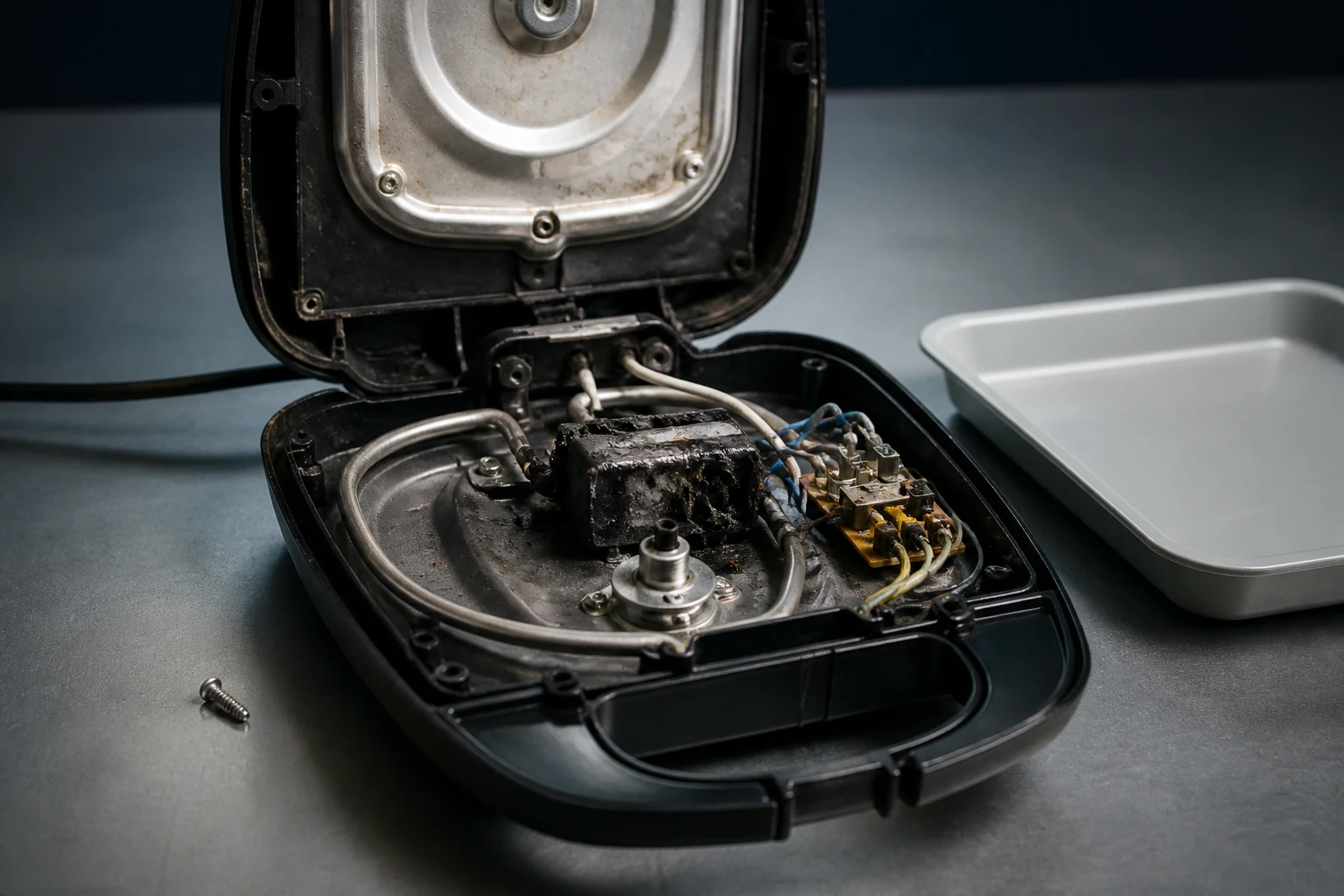
Physical evidence, safety rules, conduct, notices, and witness or digital records help reconstruct what occurred.
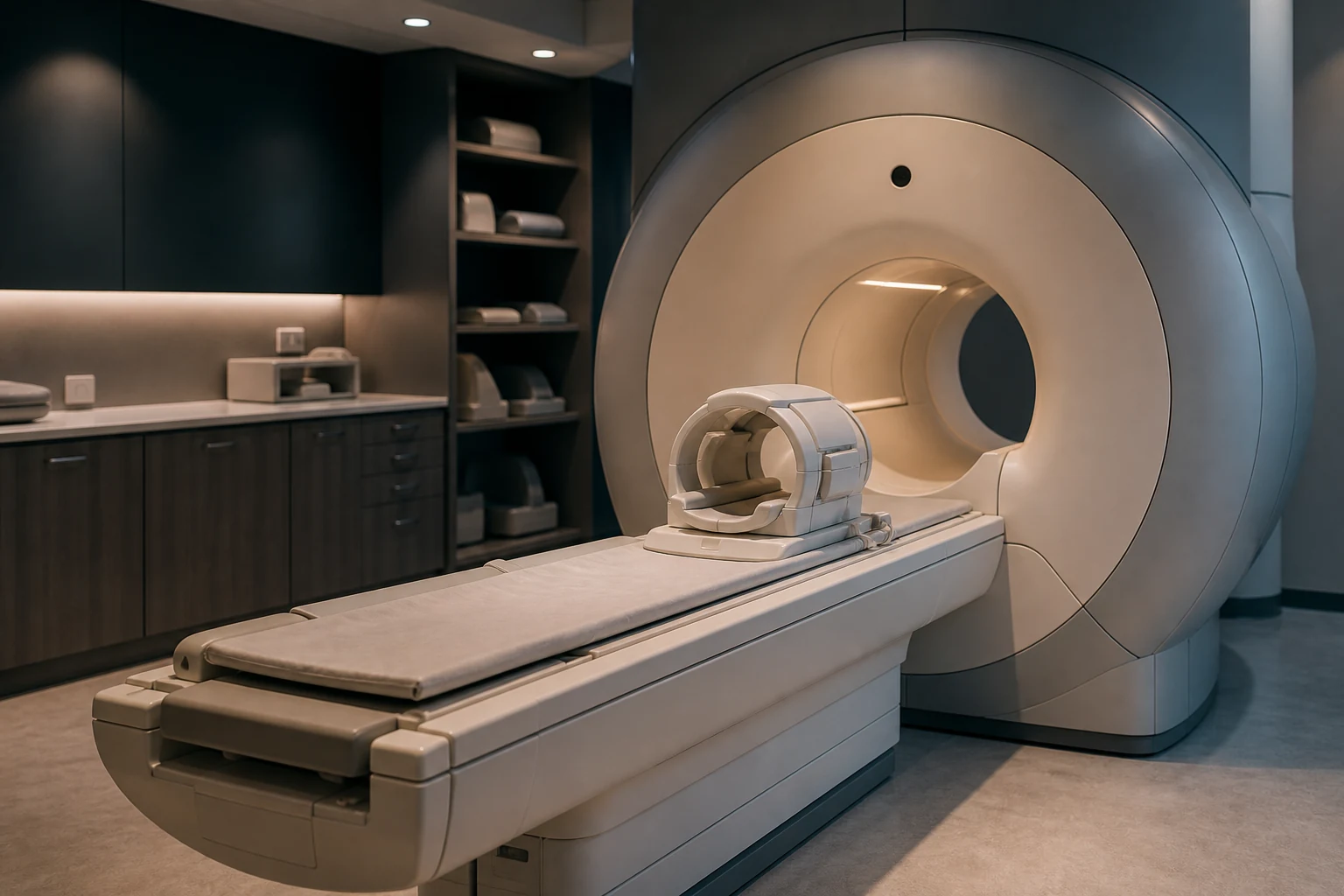
Prior health, acute records, diagnoses, clinical findings, treatment, and expert analysis may be compared.
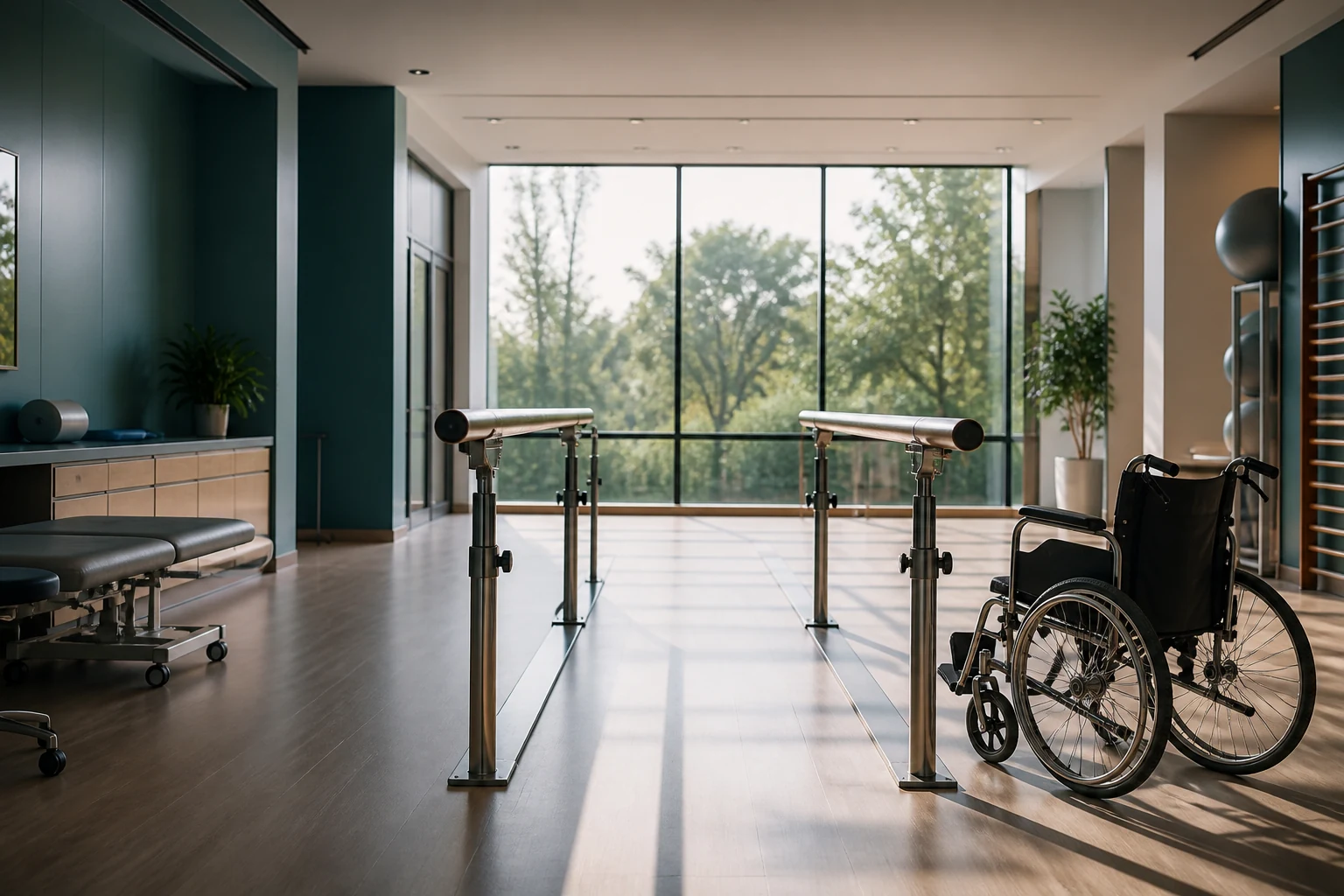
Mobility, cognition, communication, self-care, work, relationships, and daily activities can require detailed proof.
Care plans, life expectancy evidence, rehabilitation, equipment, housing, transportation, and coverage may affect evaluation.
The relevance and legal effect of each factor depend on the documents, parties, governing law, and procedural posture. This framework is general information, not a conclusion about a specific matter.
Terms You May Hear
General orientation to concepts often used in serious-injury matters. Medical conclusions belong with qualified professionals.
A professional assessment of anticipated care, services, equipment, and related needs, when appropriate.
A catastrophic-injury matter develops over time and benefits from coordinated preservation, medical documentation, needs analysis, coverage review, and supported advocacy.
Discuss Your SituationPrioritize appropriate care while preserving incident records, physical evidence, witnesses, and coverage information.
Examine potential responsibility, employers or entities, policies, exclusions, limits, and notice issues.
Organize pre-incident history, emergency care, treatment, rehabilitation, restrictions, and provider opinions.
Develop work, household, caregiving, accessibility, expense, and functional evidence without exaggeration.
Use qualified professional input where appropriate to assess care, support, equipment, and financial consequences.
Present the record, negotiate, or litigate while accounting for liens, allocation, protection, and long-term planning.
Explore related services involving brain injury, product safety, premises conditions, transportation incidents, and wrongful death.
Explore Practice AreasVerum Law represents individuals and businesses in civil litigation and transactional matters across Florida.
Bodily Injury: 10 services
Services for people and families navigating injuries, unsafe conditions, and loss caused by an incident.







The current firm concept emphasizes a practice spanning transactional matters and civil litigation for Florida businesses and individuals.
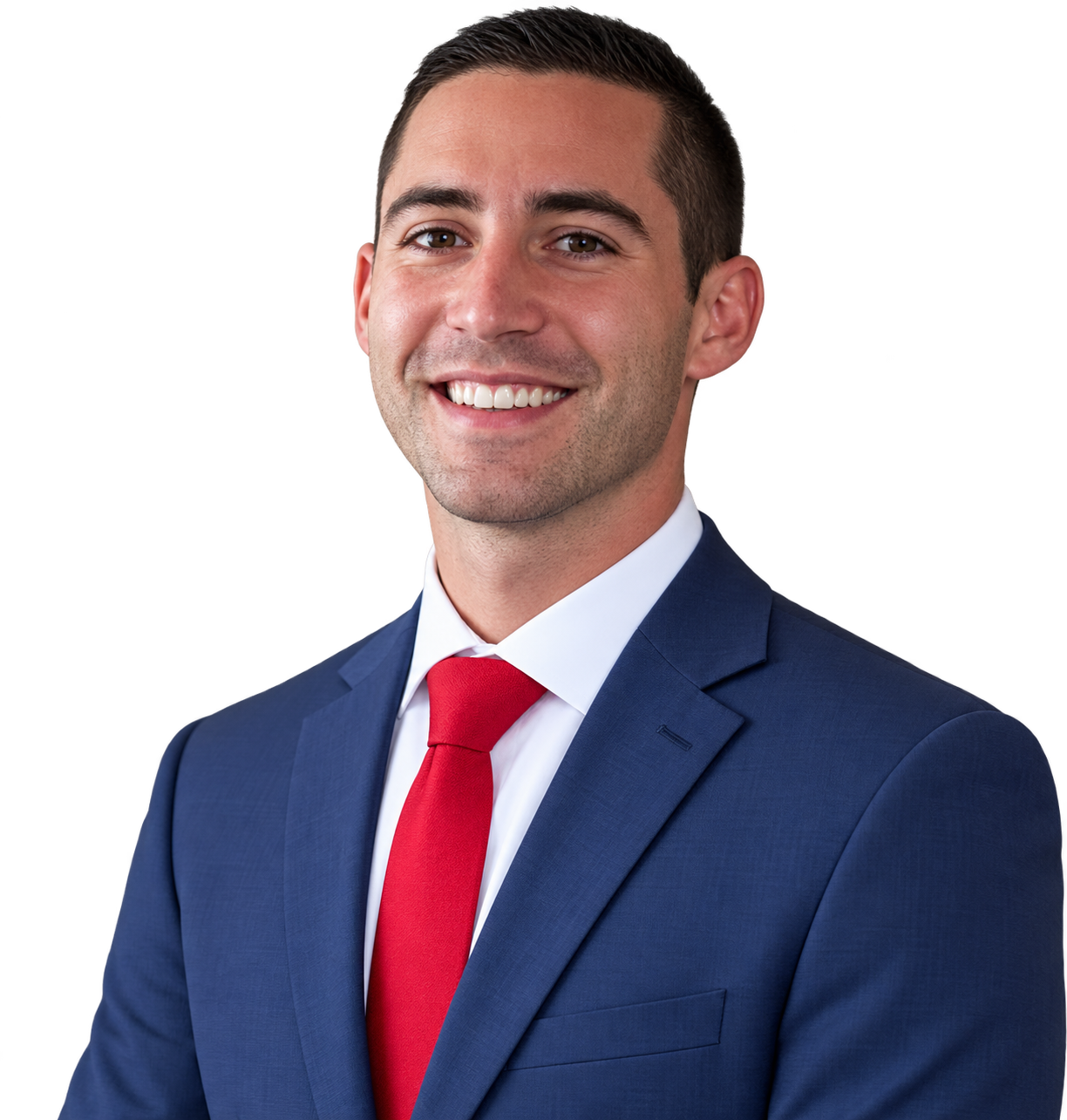
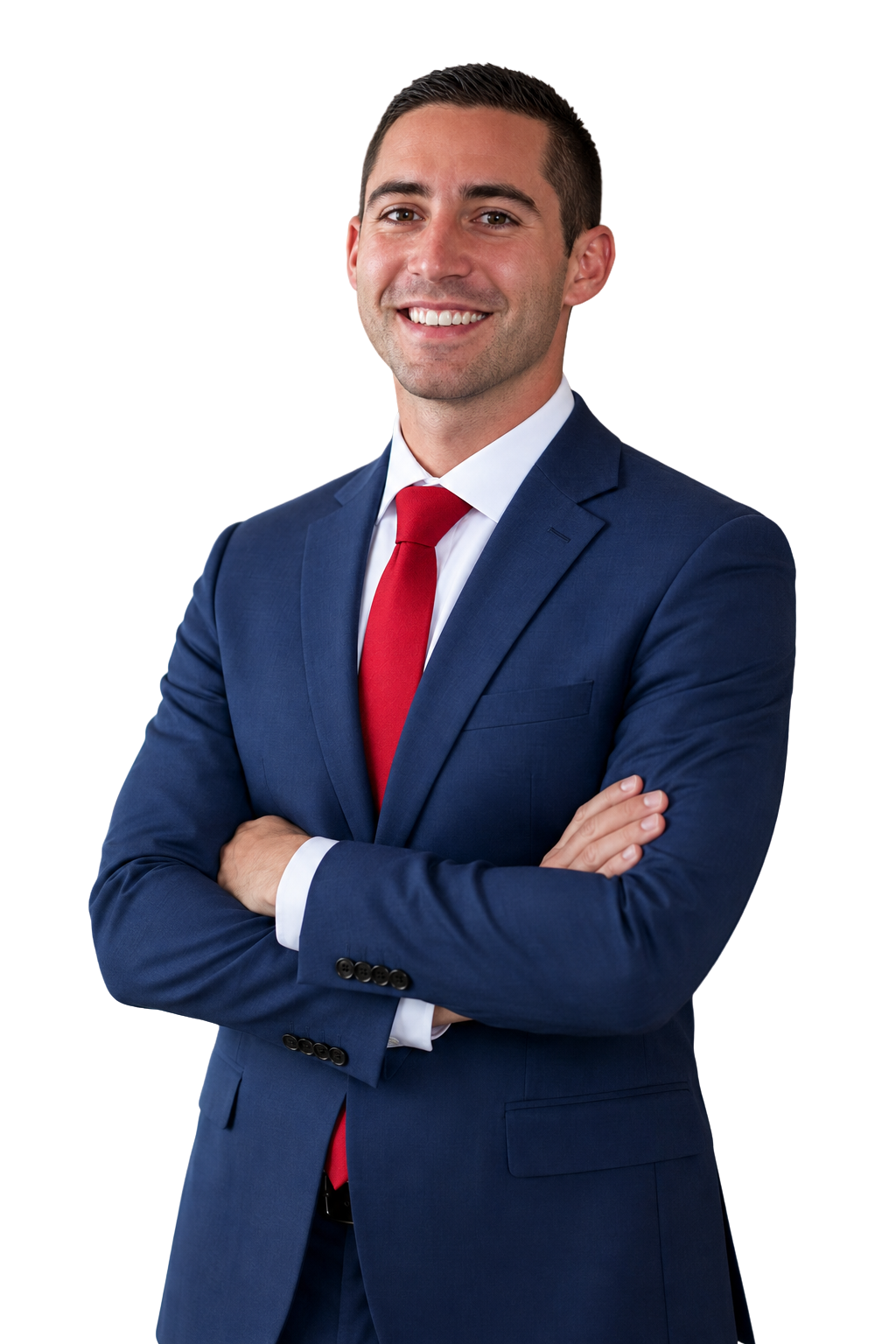
Charles Possino is identified in the supplied intake as Verum Law's founder and managing partner. The reported practice description includes representing individuals and businesses in civil litigation and transactional matters.
The supplied biography also describes work from inception through trial and appeals in state and federal courts. These credentials and experience statements require verification before public use.
General orientation only. Medical needs, rights, coverage, and claim value depend on individualized facts, qualified opinions, and current law.
Free Case ConsultationThe term generally describes severe, lasting harm that substantially affects function or long-term needs; the medical and legal significance depends on the individual record.
Scenes, products, data, video, maintenance records, and witness memory can change or disappear while the medical course is still developing.
Treating records and qualified medical, rehabilitation, vocational, economic, or care-planning analysis may be used when appropriate.
Accurate, consistent communication with qualified providers and contemporaneous records can help explain the course without speculation.
Potential sources depend on the incident, parties, policies, employment or ownership relationships, and other facts.
There is no universal answer. Medical stability, evidence, deadlines, financial pressure, coverage, and litigation posture all require individualized advice.