At the scene
Preserve the condition
Photograph or record the floor, substance, surface, lighting, warnings, footwear, surrounding area, and injury position when safely possible.

Services for people and families navigating injuries, unsafe conditions, and loss caused by an incident.
10 servicesThe Matter
A slip-and-fall claim often turns on evidence that can disappear quickly: the substance or surface, its appearance and duration, footprints or tracks, cleaning activity, warnings, surveillance, witnesses, and exact route.
At the scene
Photograph or record the floor, substance, surface, lighting, warnings, footwear, surrounding area, and injury position when safely possible.
Within property operations
Inspections, cleaning schedules, employee activity, spills, leaks, complaints, recurring conditions, and surveillance may address creation or notice.
After the fall
Report the event, preserve clothing or footwear when relevant, and organize medical, work, expense, and functional records.
Florida’s transitory-foreign-substance statute may apply in a business establishment. The exact condition, duration, regularity, notice, control, warnings, and comparative conduct require evidence.
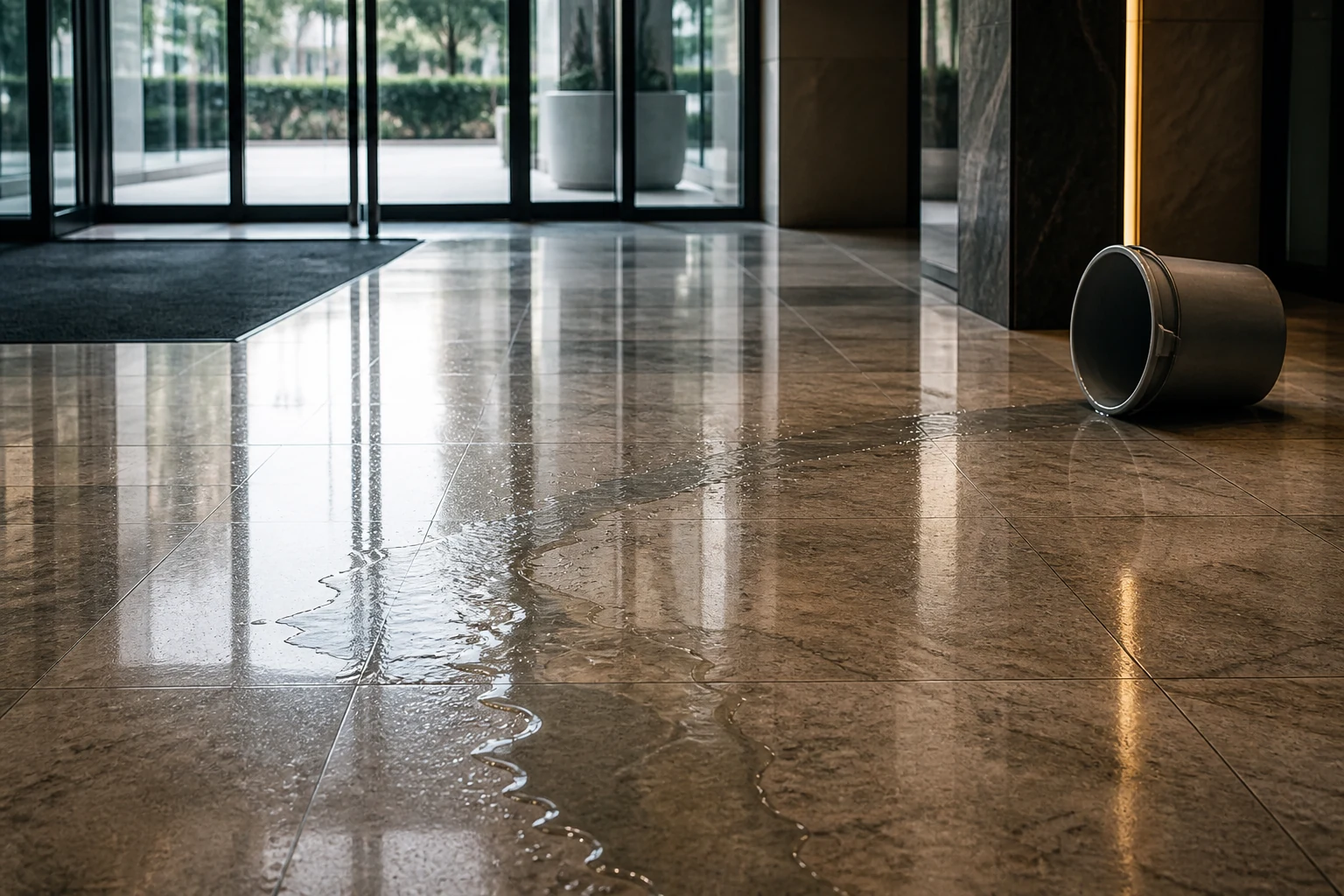
Type, size, color, temperature, tracks, footprints, debris, wear, lighting, slope, or defects may help explain the condition.
Employee activity, inspection intervals, cleaning records, complaints, video, and recurring patterns may show actual or constructive knowledge.
Sign placement, barriers, visibility, alternative paths, crowding, displays, and the reason for travel can matter.
Witnesses, video, footwear, body movement, immediate symptoms, medical findings, and prior conditions may be compared.
The relevance and legal effect of each factor depend on the documents, parties, governing law, and procedural posture. This framework is general information, not a conclusion about a specific matter.
Terms You May Hear
Common Florida premises concepts in plain language. The applicable legal standard depends on the property and condition.
Knowledge attributed under statutory or common-law standards based on facts such as duration or regularity.
The process begins at the floor level—what was there and who knew—then expands to property control, injury causation, losses, and legal requirements.
Discuss Your SituationIdentify the exact spot, condition, time, route, witnesses, employees, warnings, and incident-report details.
Retain photographs, surveillance requests, clothing or footwear when relevant, receipts, and communications.
Determine owner, tenant, manager, cleaning, maintenance, and vendor roles for the area.
Seek inspection, cleaning, spill, repair, complaint, work-order, staffing, and surveillance records.
Build the treatment chronology and document work, expense, and functional effects accurately.
Apply current law to control, notice, causation, comparative issues, coverage, and supported damages.
Explore related premises, hotel, catastrophic-injury, and brain-injury services.
Explore Practice AreasVerum Law represents individuals and businesses in civil litigation and transactional matters across Florida.
Bodily Injury: 10 services
Services for people and families navigating injuries, unsafe conditions, and loss caused by an incident.



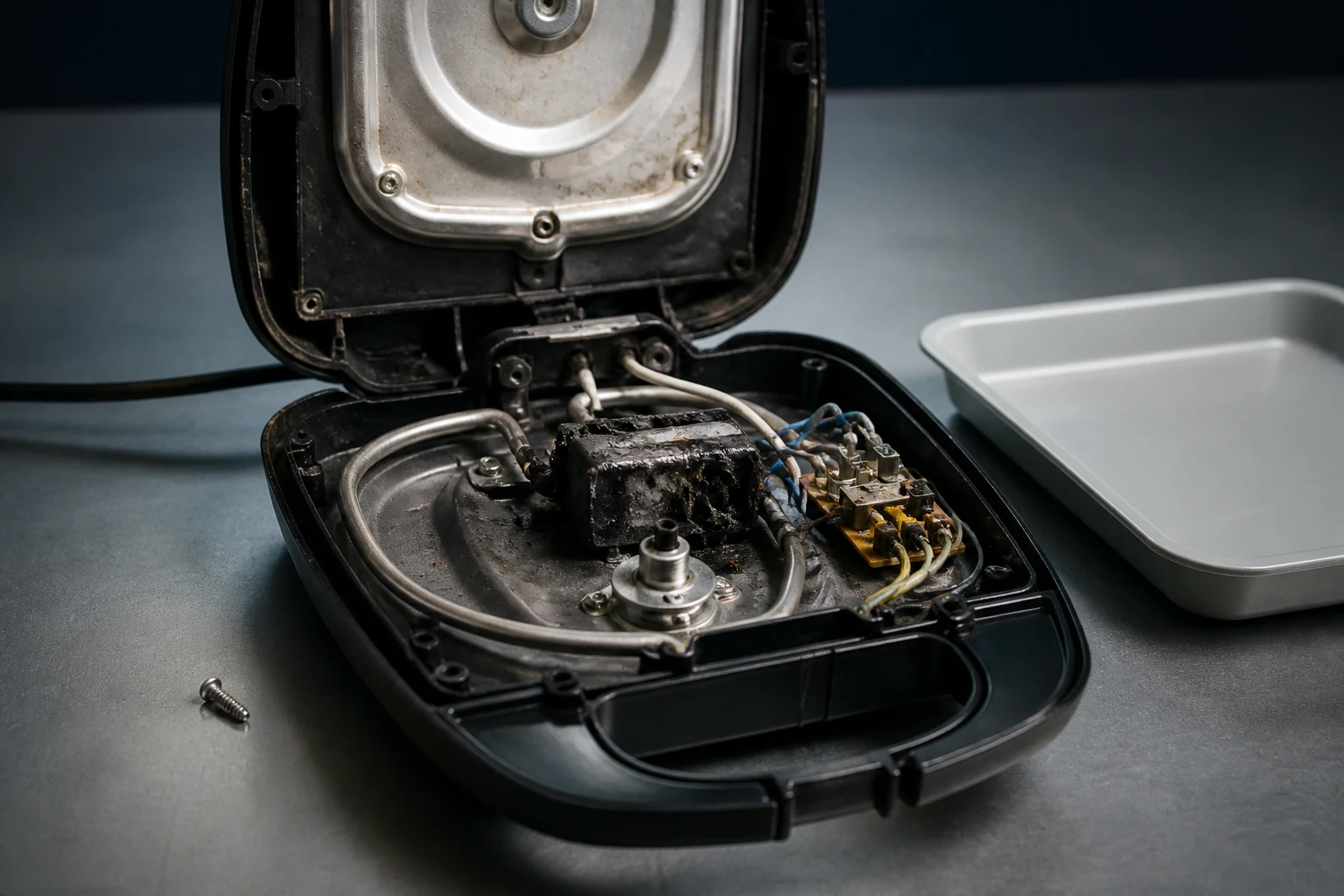
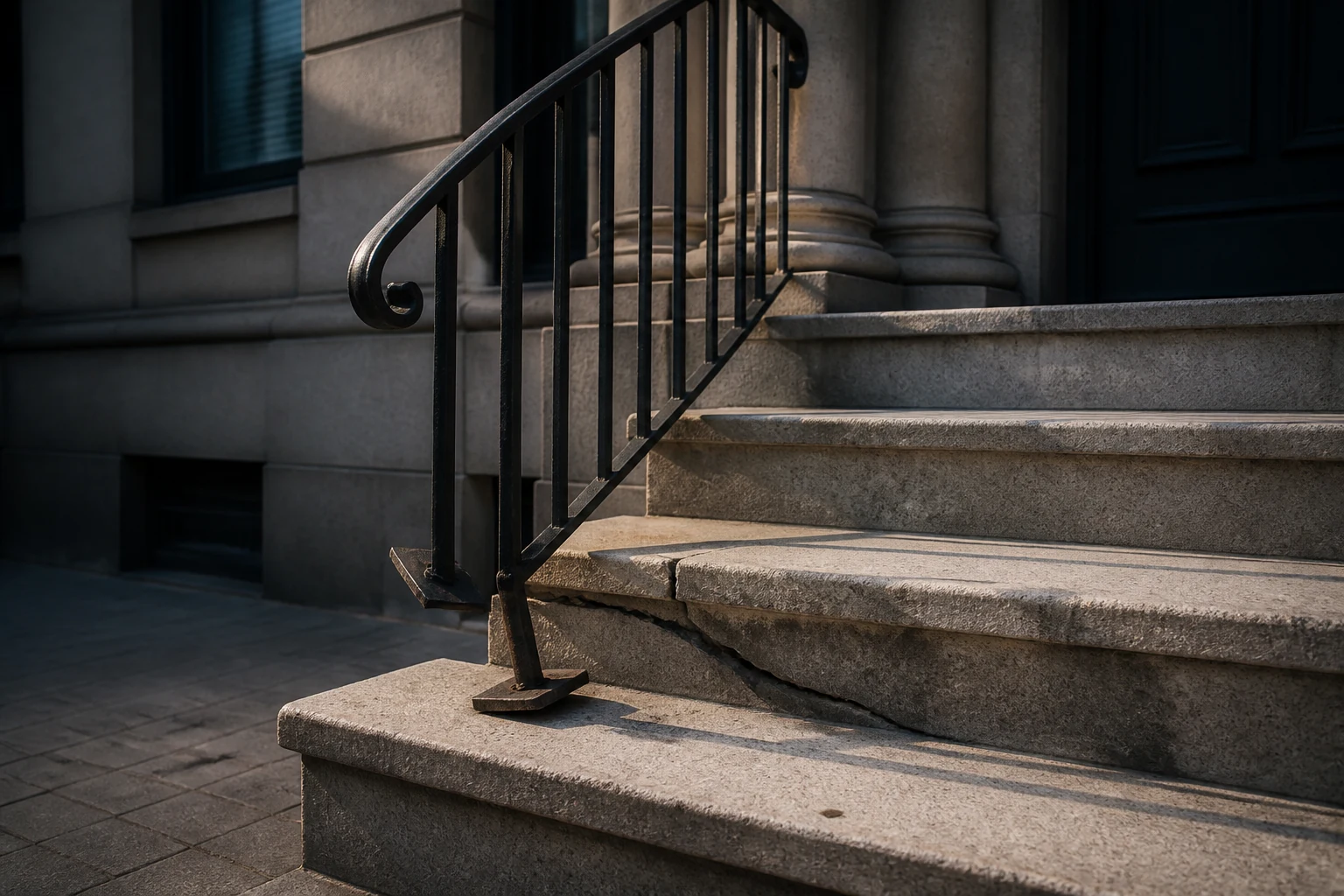

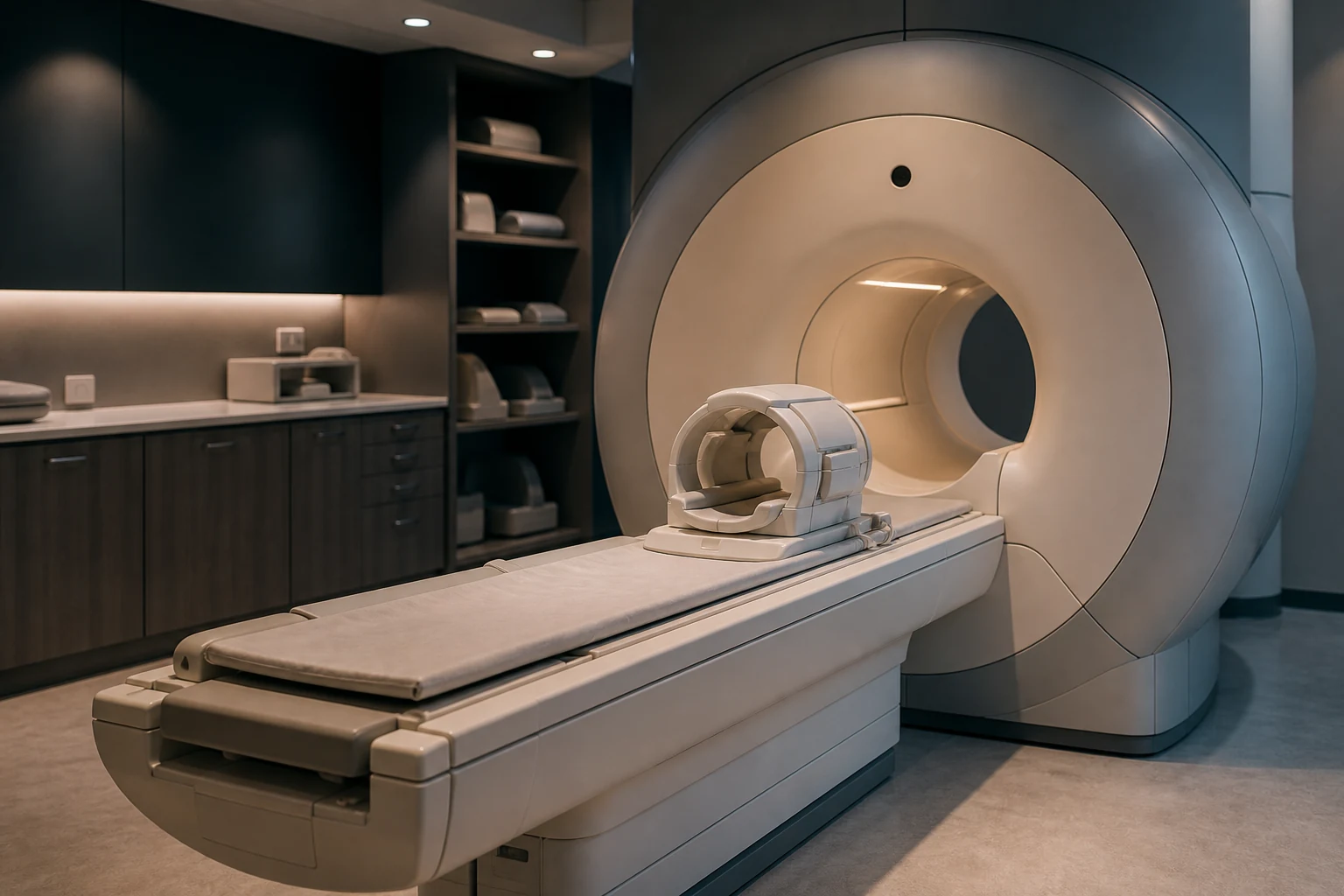
The current firm concept emphasizes a practice spanning transactional matters and civil litigation for Florida businesses and individuals.
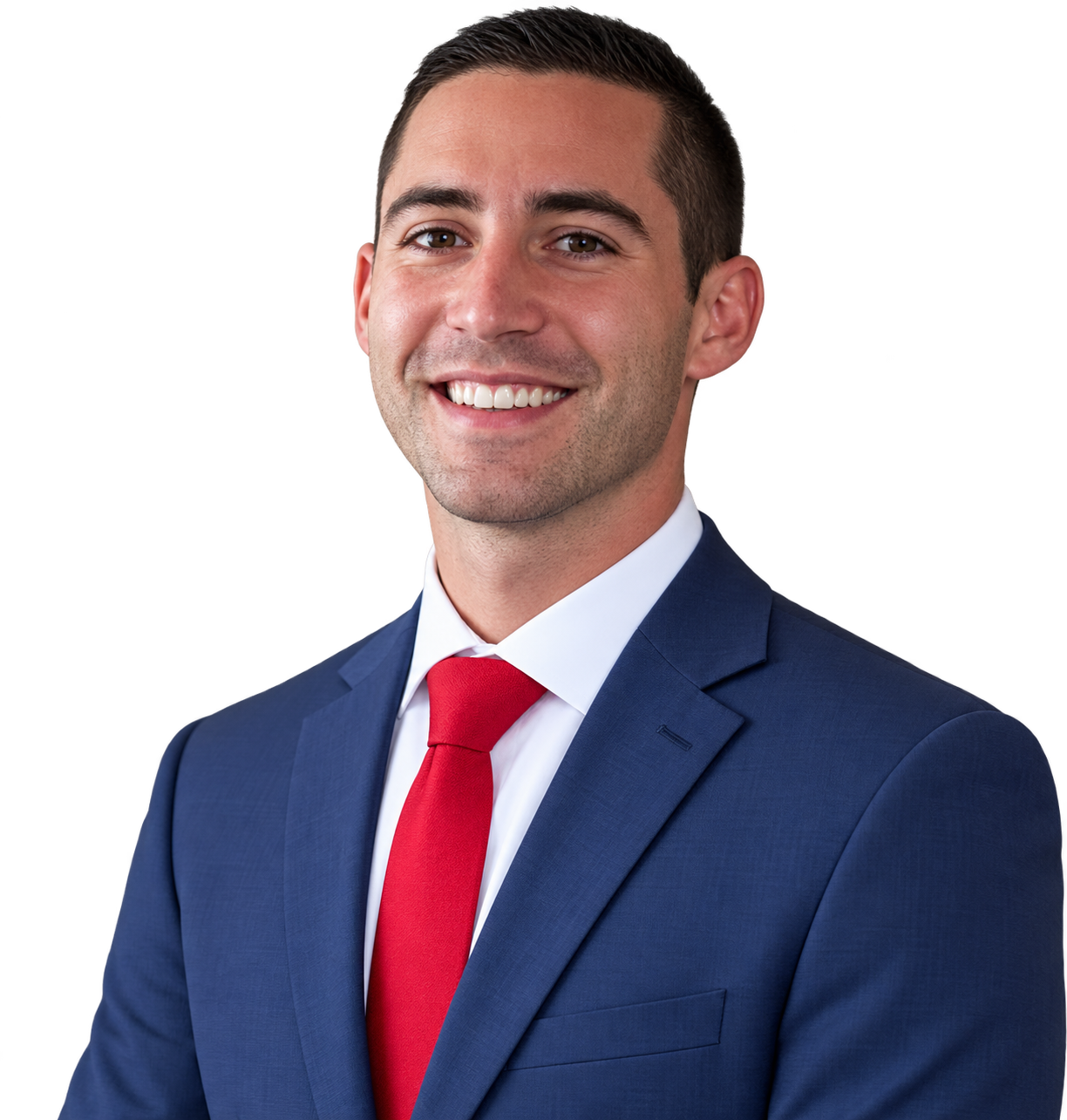
Charles Possino is identified in the supplied intake as Verum Law's founder and managing partner. The reported practice description includes representing individuals and businesses in civil litigation and transactional matters.
The supplied biography also describes work from inception through trial and appeals in state and federal courts. These credentials and experience statements require verification before public use.
General orientation only. Florida premises standards, notice, comparative conduct, causation, and deadlines require individualized review.
Free Case ConsultationWhen safe, capture the exact condition and wider area, substance or defect, lighting, warnings, nearby displays, tracks, footwear, and identifying location details.
Florida law can require proof of actual or constructive knowledge for a transitory foreign substance in a business establishment. The evidence and exact setting matter.
Statutory considerations can include how long the condition existed or whether it occurred with regularity, supported by video, appearance, inspections, witnesses, or operational records.
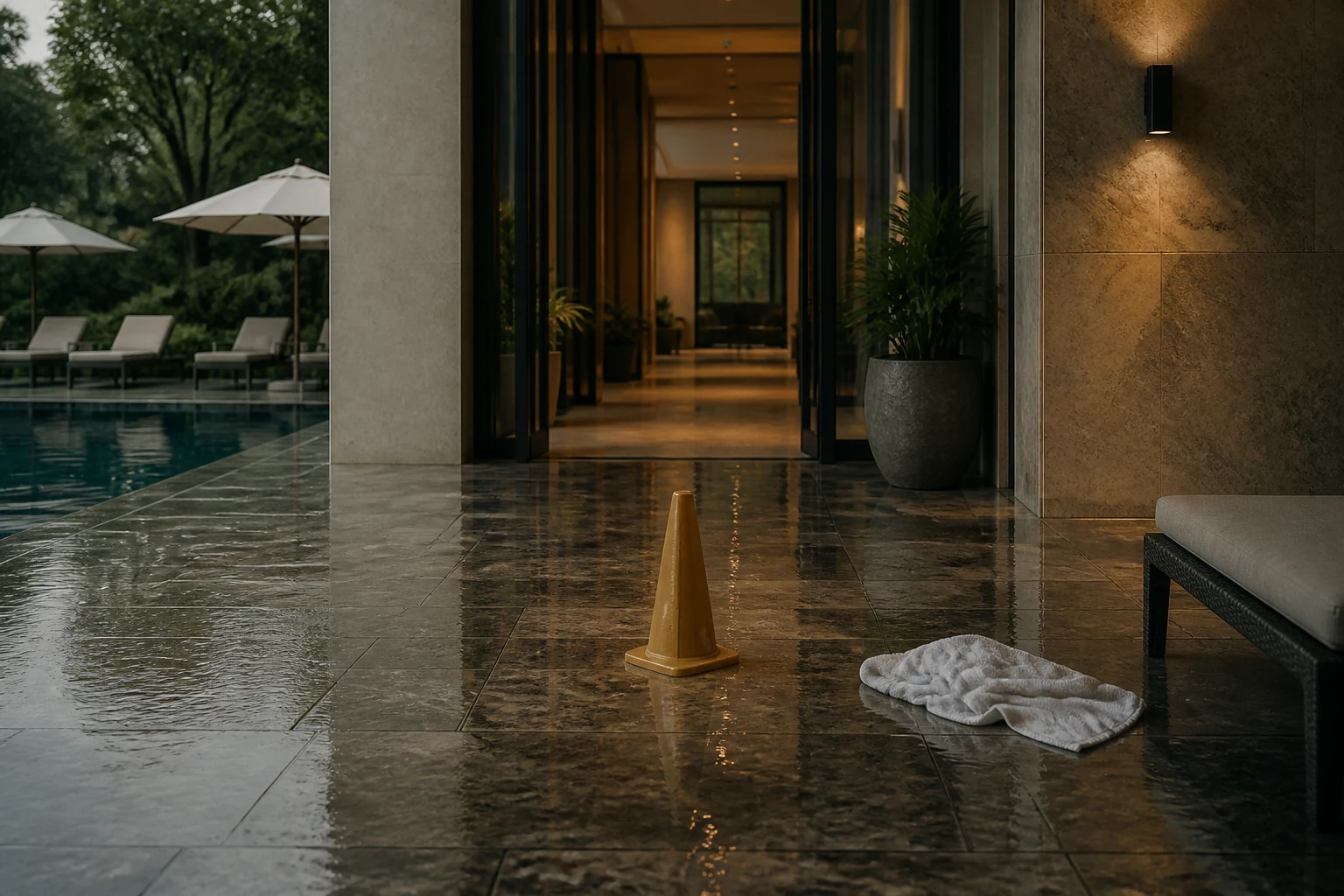
The sign’s visibility, placement, content, timing, relation to the condition, available route, and surrounding circumstances require analysis.
If footwear condition or traction may be disputed, preserving it without alteration can protect evidence.
Medical decisions belong with qualified professionals. Accurately report the timeline and avoid assuming either that delay proves or disproves causation.