
At onboarding
Understand the business
Map ownership, decision-makers, products or services, contracts, workforce, insurance, disputes, and recurring legal needs.
Services for people and families navigating injuries, unsafe conditions, and loss caused by an incident.
10 servicesThe Matter
Outside general counsel can provide a consistent legal point of contact for contracts, governance, risk questions, disputes, and coordination with the company’s operational and professional advisers.
At onboarding
Map ownership, decision-makers, products or services, contracts, workforce, insurance, disputes, and recurring legal needs.
During operations
Route questions by urgency, business impact, legal exposure, required expertise, and the people who must decide.
Over time
Develop repeatable intake, contract, approval, preservation, governance, and escalation practices based on actual use.
The value lies in continuity: seeing how a new contract, personnel issue, owner decision, or dispute fits the company’s existing obligations and risk priorities.

Templates, intake, review thresholds, approval authority, signature, storage, and renewal practices can be standardized.
Entity records, delegated authority, major approvals, ownership changes, and conflicts require a reliable record.
Early issue spotting, preservation, insurance notice, communication strategy, and specialist coordination can protect options.
Legal advice should be integrated with operational, financial, insurance, tax, and technical input rather than isolated from it.
The relevance and legal effect of each factor depend on the documents, parties, governing law, and procedural posture. This framework is general information, not a conclusion about a specific matter.
Terms You May Hear
Common concepts for structuring an ongoing counsel relationship. The engagement scope and fee arrangement should be documented clearly.
A process for identifying urgency, risk, ownership, and the appropriate response path for a new issue.
A sustainable outside-counsel relationship begins with scope and intake, then develops through consistent decisions, records, reporting, and periodic recalibration.
Discuss Your SituationIdentify client entities, points of contact, priority areas, exclusions, fees, and communication expectations.
Collect entity records, material contracts, dispute history, policies, insurance, and current priorities.
Establish how requests arrive, who supplies facts, how urgency is assessed, and who may decide.
Provide advice, drafting, negotiation, preservation, or dispute support within the agreed scope.
Engage and manage additional counsel or professionals when the issue requires it.
Use recurring matters and business changes to improve documents, training, and preventive systems.
Explore related services for contracts, formation, governance, restrictive covenants, and business disputes.
Explore Practice AreasVerum Law represents individuals and businesses in civil litigation and transactional matters across Florida.
Bodily Injury: 10 services
Services for people and families navigating injuries, unsafe conditions, and loss caused by an incident.










The current firm concept emphasizes a practice spanning transactional matters and civil litigation for Florida businesses and individuals.
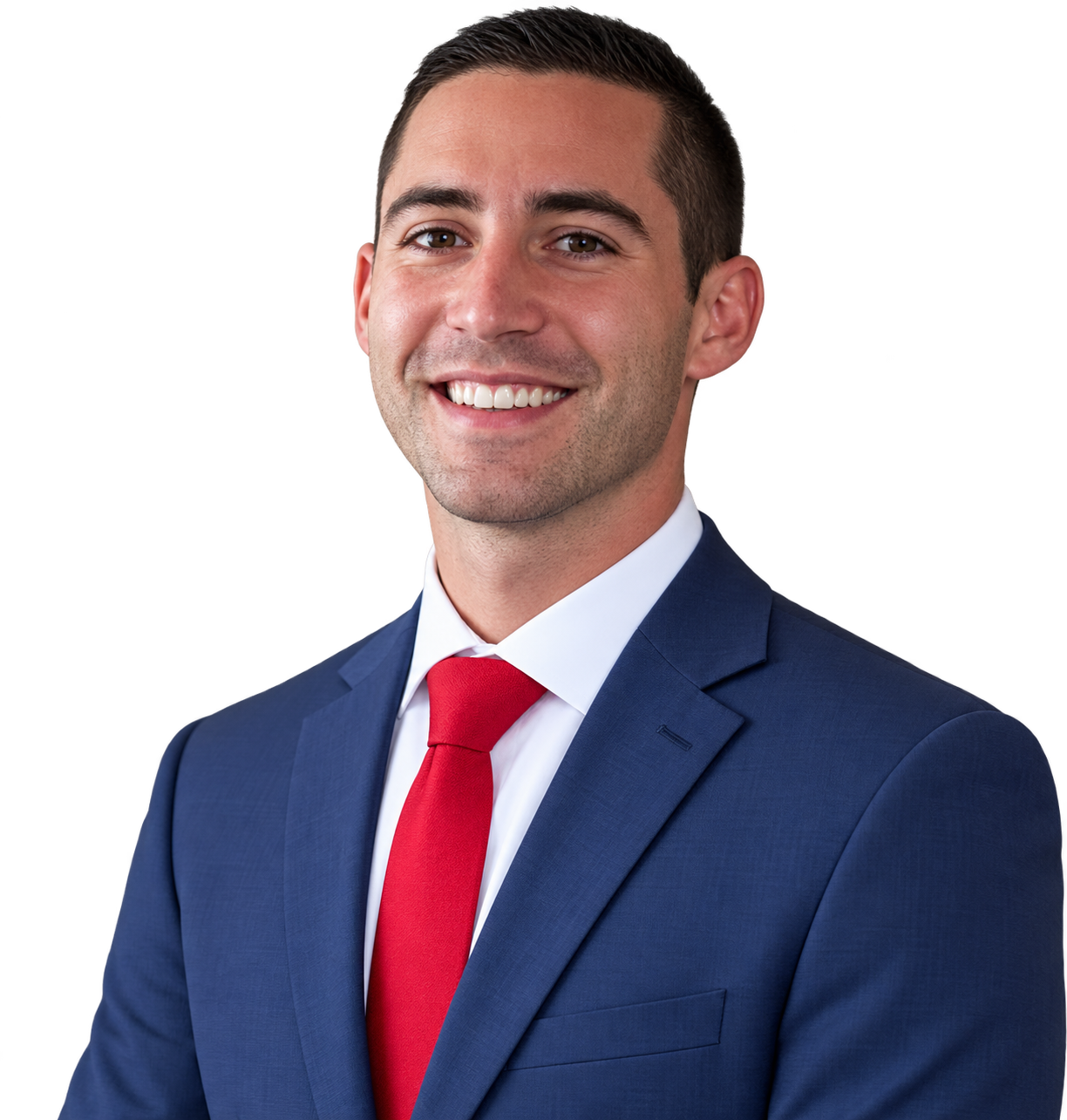
Charles Possino is identified in the supplied intake as Verum Law's founder and managing partner. The reported practice description includes representing individuals and businesses in civil litigation and transactional matters.
The supplied biography also describes work from inception through trial and appeals in state and federal courts. These credentials and experience statements require verification before public use.
General orientation for businesses considering an ongoing legal relationship. Scope, responsiveness, staffing, and fees depend on the engagement.
Free Case ConsultationAn ongoing relationship emphasizes continuity and recurring issue management, while project counsel may address one defined transaction or dispute.
It can supplement or serve as an external legal function depending on the company’s needs, but roles and decision authority should be clear.
Common areas include contracts, governance, pre-dispute strategy, policies, legal triage, and coordination, subject to the documented scope and available capabilities.
A simple intake route with required facts, documents, urgency, business owner, and desired outcome helps counsel respond efficiently.
Hourly, fixed, retainer, or hybrid structures may be available depending on expected volume and uncertainty; the engagement should state what is included.
Specialists may be appropriate for areas, proceedings, jurisdictions, or transactions outside the ongoing counsel scope or requiring focused experience.