
At the property
Document the exact place
Record the condition, lighting, weather, warnings, room or area, incident time, witnesses, staff contacts, photographs, and report information.

Services for people and families navigating injuries, unsafe conditions, and loss caused by an incident.
10 servicesThe Matter
Hotel and resort incidents can involve guestrooms, pools, stairs, walkways, elevators, recreation, transportation, security, food service, contractors, or equipment. Identifying control and preserving property records are central.
At the property
Record the condition, lighting, weather, warnings, room or area, incident time, witnesses, staff contacts, photographs, and report information.
Within operations
Ownership, management, vendors, maintenance, security, recreation operators, and booking arrangements may allocate different responsibilities.
After departure
Seek retention of surveillance, work orders, inspections, complaints, communications, medical records, expenses, and travel documents.
The analysis asks what condition or conduct caused the event, who created or controlled it, what notice existed, what safeguards were reasonable, and how the injury is documented.
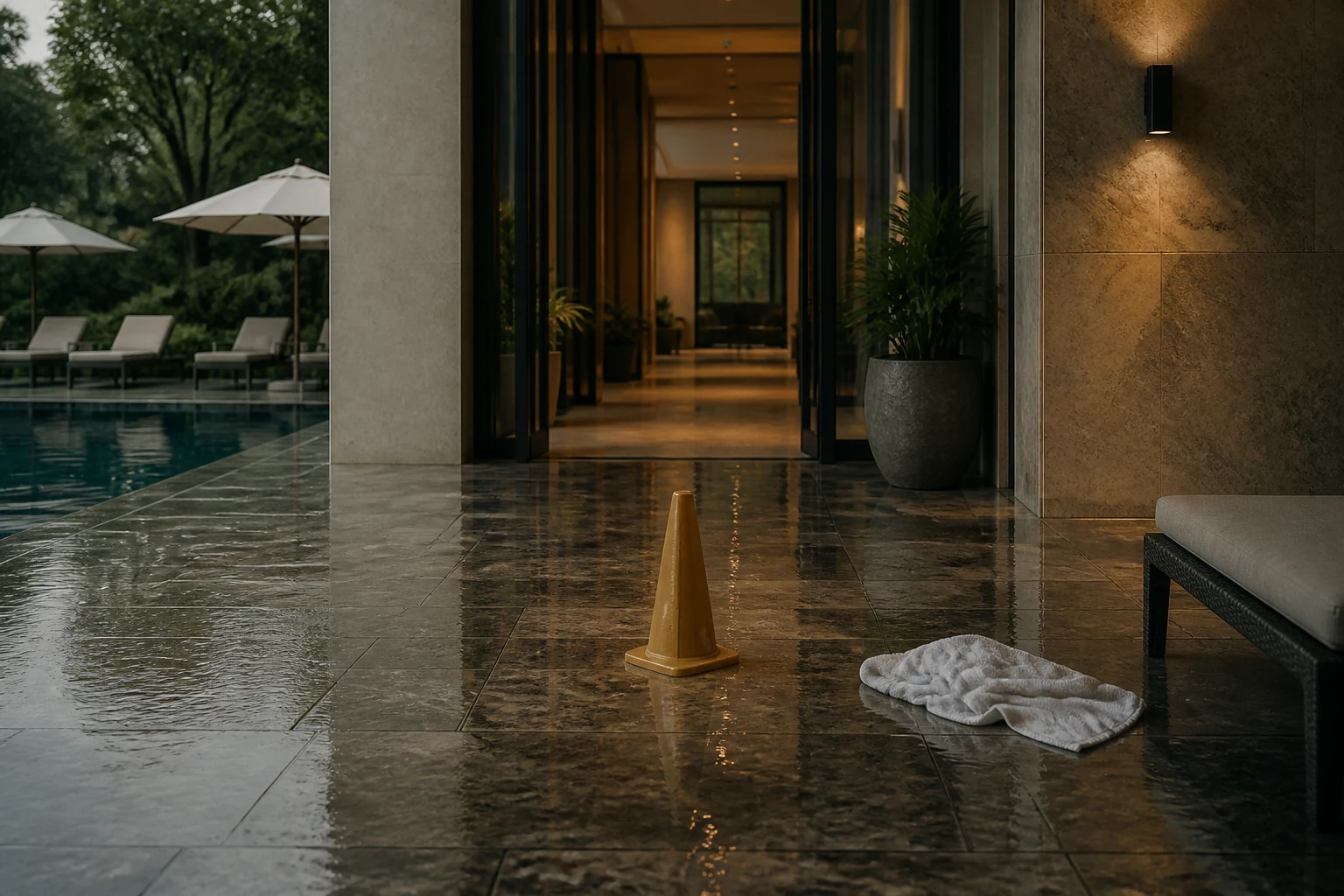
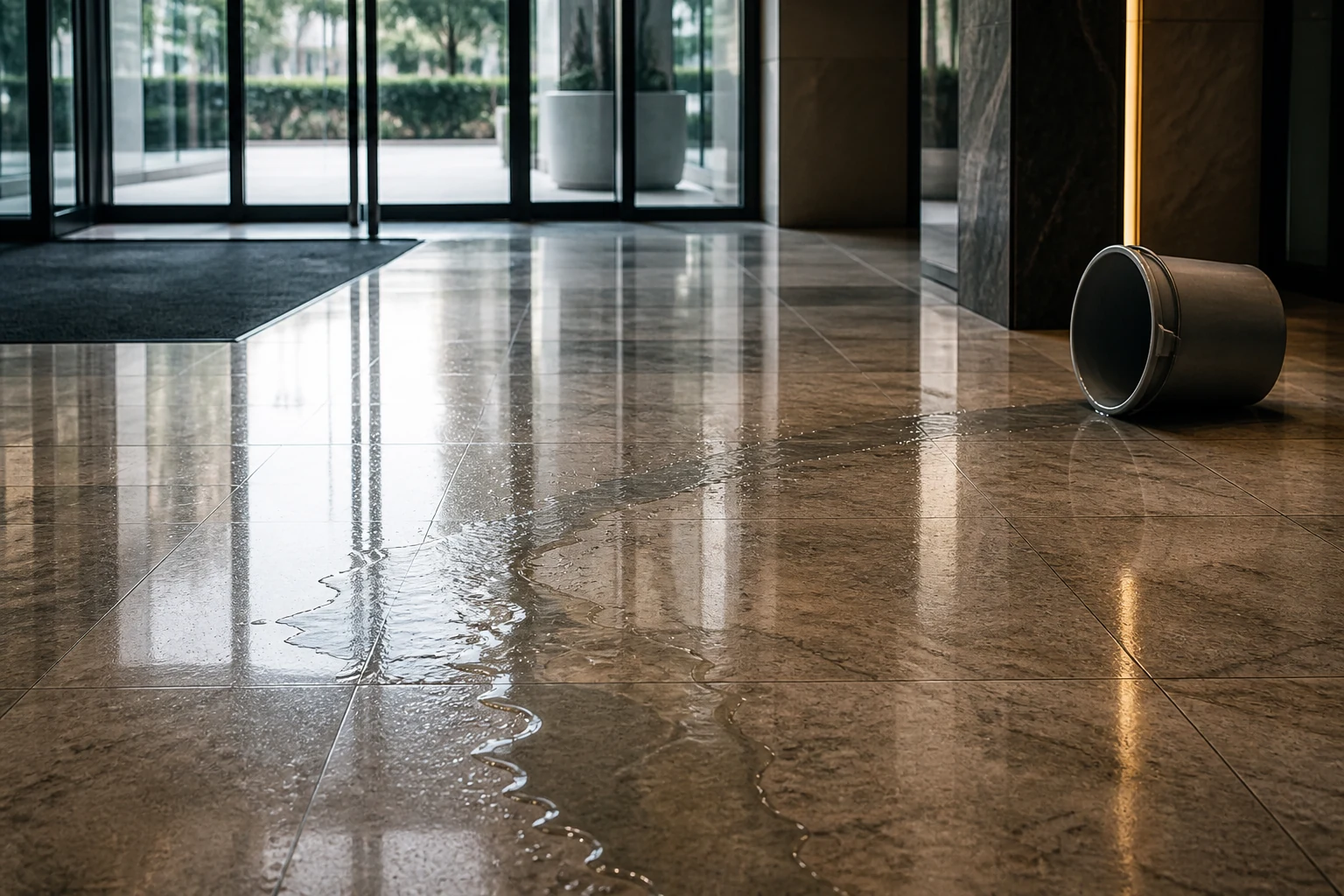
Photographs, inspections, complaints, cleaning or maintenance logs, weather, and prior incidents may address creation or notice.
Management agreements, leases, vendors, franchises, and activity operators may identify which entity controlled the area or service.
Signs, barriers, lighting, staffing, incident response, medical assistance, and corrective action can be relevant.
The route, purpose, visibility, footwear or activity, witness accounts, treatment, and functional effects should be assessed without assumption.
The relevance and legal effect of each factor depend on the documents, parties, governing law, and procedural posture. This framework is general information, not a conclusion about a specific matter.
Terms You May Hear
Common premises and hospitality concepts in plain language. Exact duties and defenses depend on property, control, status, and facts.
Evidence that a responsible party knew of a condition before the event.
Hospitality claims benefit from precise location evidence and early preservation because surveillance, staffing, maintenance, and guest records may be distributed among several entities.
Discuss Your SituationSeek appropriate care and identify the precise location, staff, witnesses, and incident-report process.
Preserve photographs, video, warnings, lighting, weather, route, equipment, and activity details.
Determine ownership, management, franchise, vendors, security, maintenance, and activity operators.
Seek retention of surveillance, inspections, work orders, complaints, bookings, waivers, and communications as appropriate.
Compare the physical evidence and operating record with the injury chronology and applicable law.
Use the supported record while addressing insurance, comparative issues, experts, and procedural requirements.
Explore related premises, slip-and-fall, product, catastrophic-injury, and wrongful-death services.
Explore Practice AreasVerum Law represents individuals and businesses in civil litigation and transactional matters across Florida.
Bodily Injury: 10 services
Services for people and families navigating injuries, unsafe conditions, and loss caused by an incident.

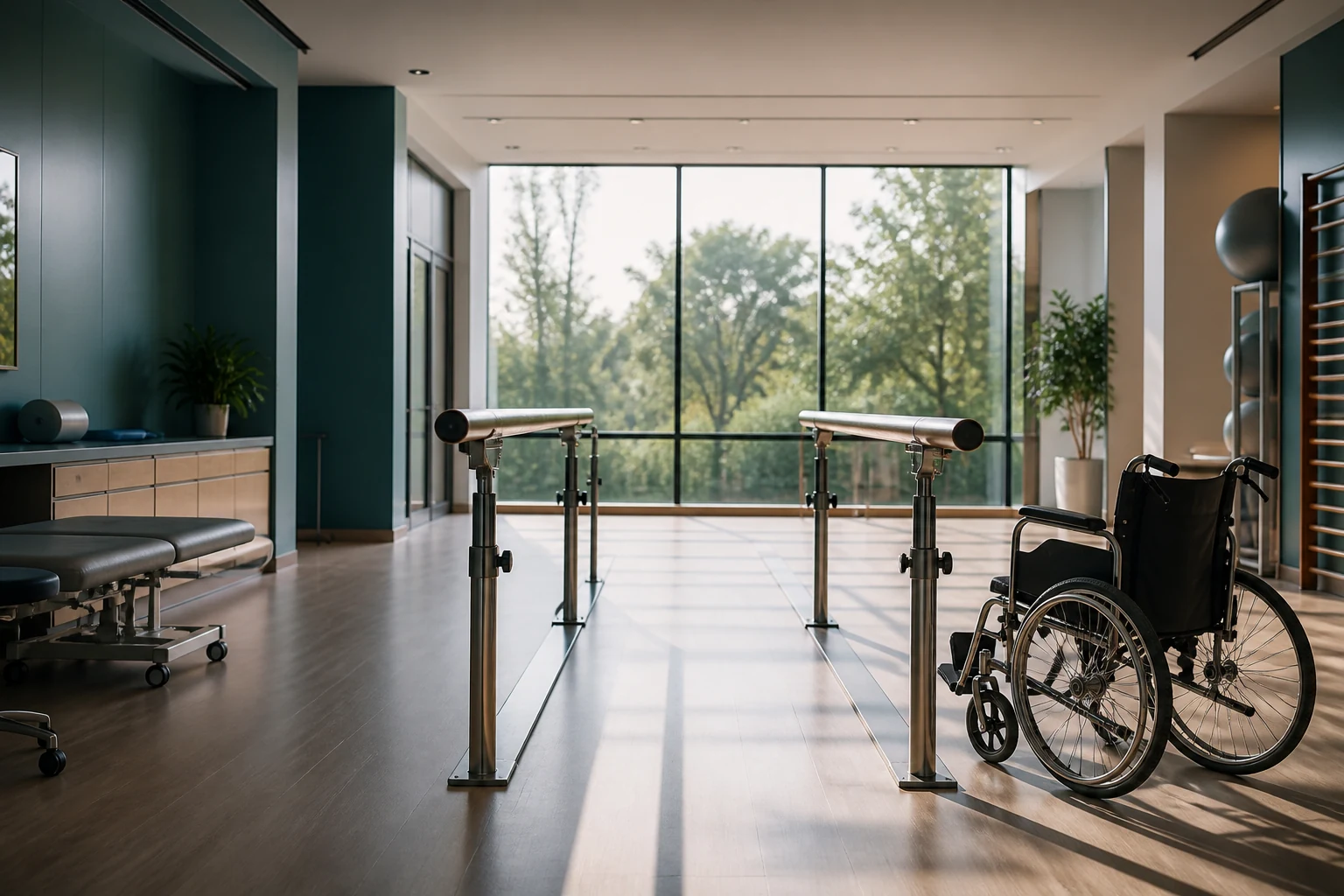


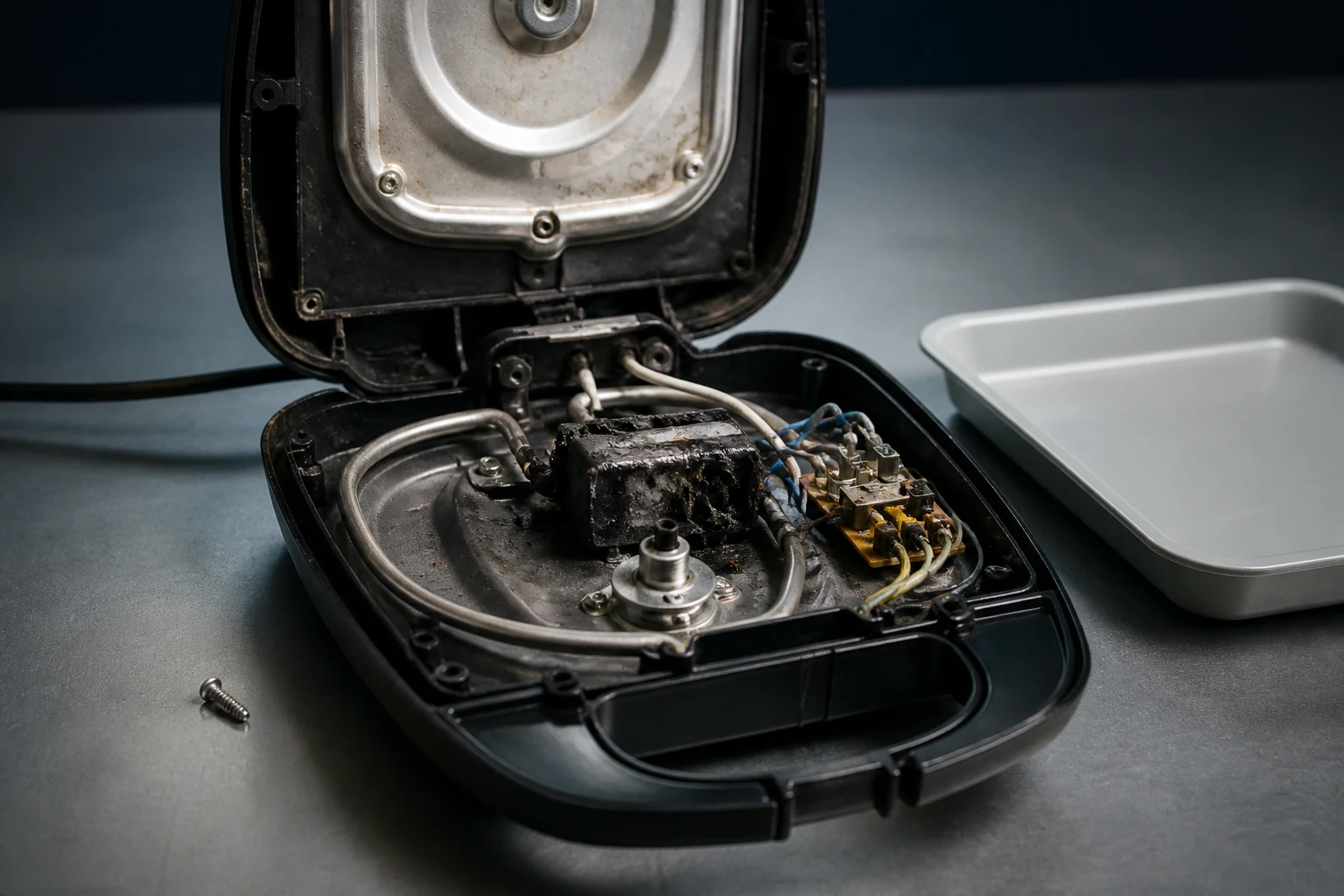
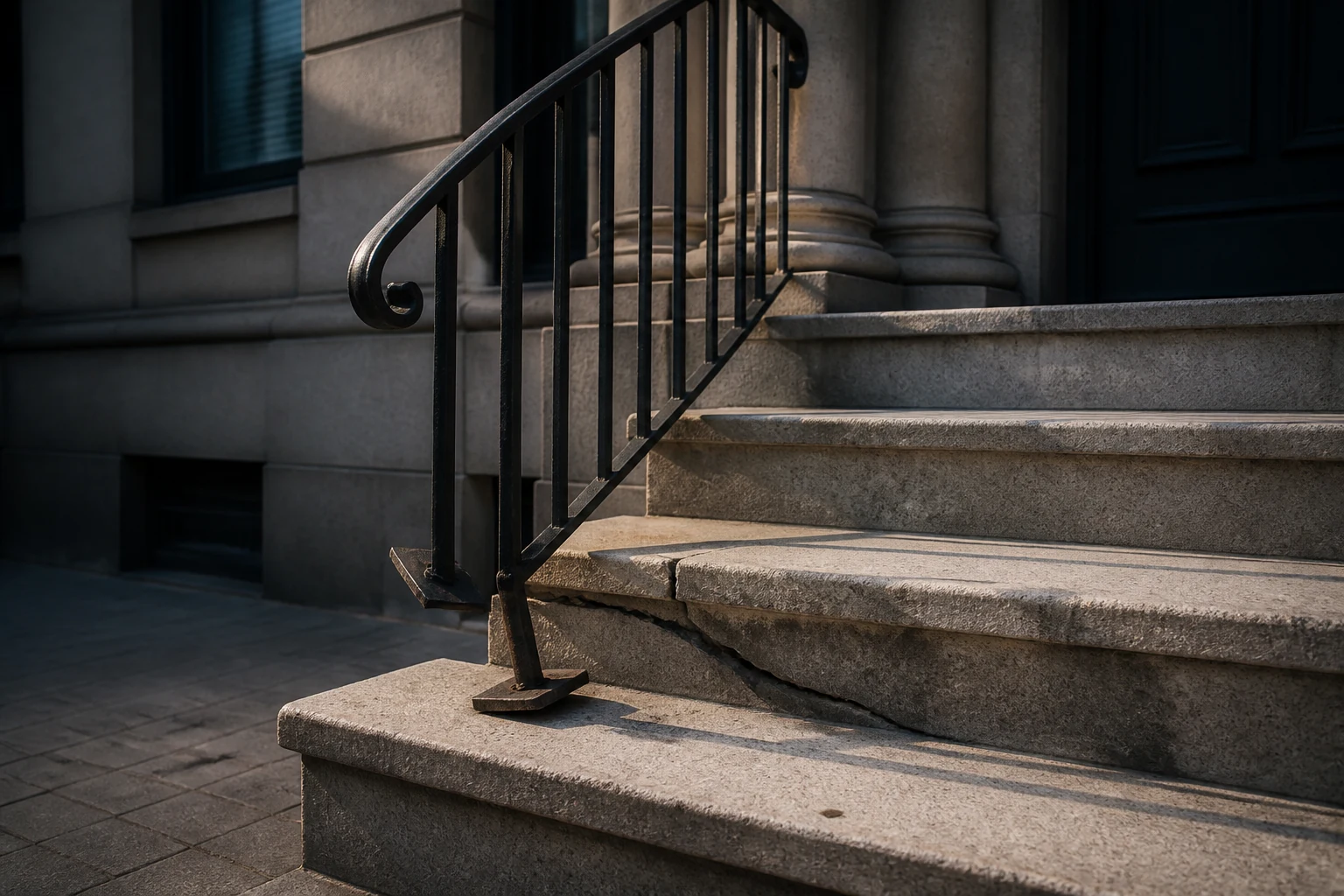

The current firm concept emphasizes a practice spanning transactional matters and civil litigation for Florida businesses and individuals.

Charles Possino is identified in the supplied intake as Verum Law's founder and managing partner. The reported practice description includes representing individuals and businesses in civil litigation and transactional matters.
The supplied biography also describes work from inception through trial and appeals in state and federal courts. These credentials and experience statements require verification before public use.
General orientation only. Property control, notice, waivers, insurance, jurisdiction, and legal duties depend on the specific incident.
Free Case ConsultationWhen possible, reporting can help identify the location, staff, condition, and record. Safety and appropriate medical care remain the priority.
Video may be overwritten on varying schedules, so prompt, specific preservation efforts directed to the right entities may matter.
The brand, owner, manager, franchisee, landlord, vendor, or activity operator may have distinct roles. Branding alone does not establish legal responsibility.
No universal conclusion is appropriate. Language, formation, scope, activity, parties, public policy, and governing law require analysis.
Reservations, receipts, room or activity information, photographs, messages, incident details, medical records, expenses, and witness contacts may be useful.
Booking, transportation, representations, waivers, ownership, control, contractor, insurance, and jurisdiction facts should be reviewed.