
At the scene
Document the condition
Preserve photographs, measurements when appropriate, lighting, weather, warnings, witnesses, surveillance locations, and incident-report information.

Services for people and families navigating injuries, unsafe conditions, and loss caused by an incident.
10 servicesThe Matter
Premises-liability analysis begins with the precise location and event, then asks who possessed or controlled the area, what condition or activity caused harm, what notice existed, and what response was reasonable.
At the scene
Preserve photographs, measurements when appropriate, lighting, weather, warnings, witnesses, surveillance locations, and incident-report information.
Behind the property
Ownership, lease, management, vendor, inspection, maintenance, complaint, and prior-event records may show responsibility and knowledge.
Through the claim
Compare the event mechanics, conduct, medical chronology, functional impact, insurance, and applicable defenses.
Property ownership alone does not answer every question. Possession, control, visitor status, condition, creation, notice, warnings, foreseeability, and comparative conduct may all matter.
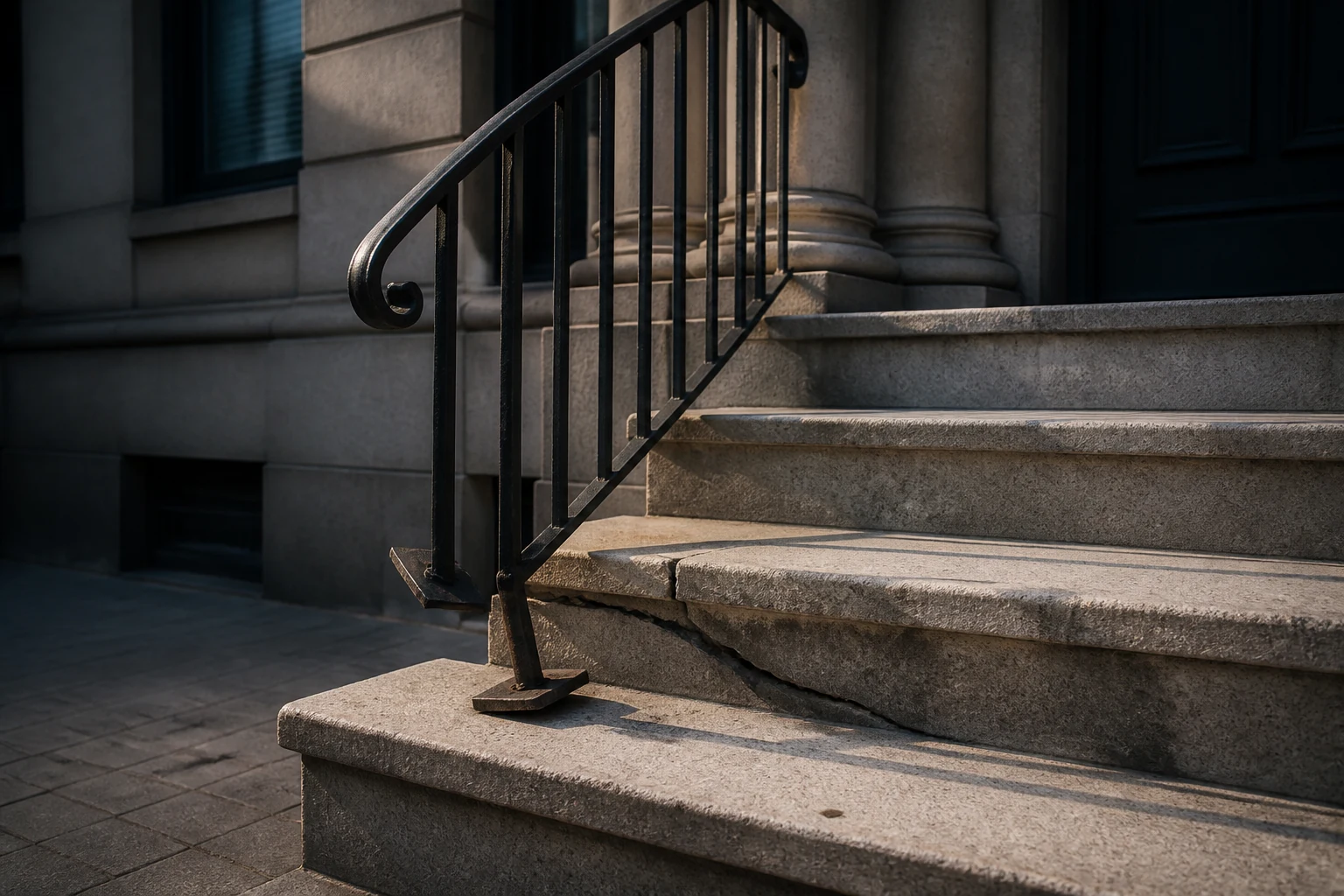
Define exactly what caused the event rather than relying on a general description of an unsafe property.
Leases, management agreements, contracts, work orders, and actual practices can allocate responsibility for the area.
Evidence may address who created the condition, who knew, how long it existed, and whether inspections were reasonable.
Visibility, barriers, signs, route choices, distraction, footwear, activity, and opportunity to avoid harm require fact-specific review.
The relevance and legal effect of each factor depend on the documents, parties, governing law, and procedural posture. This framework is general information, not a conclusion about a specific matter.
Terms You May Hear
Common property-injury concepts in plain language. Their application depends on the location, relationship, evidence, and current law.
Evidence that a responsible party had direct knowledge of a condition.
Premises matters benefit from early scene and surveillance preservation, followed by control, maintenance, notice, medical, and loss analysis.
Discuss Your SituationSeek appropriate care and identify the exact location, condition, witnesses, staff, and report information.
Capture photographs, video, measurements when appropriate, warnings, lighting, weather, and surveillance sources.
Research property, tenant, manager, contractor, security, maintenance, and vendor roles.
Seek inspection, cleaning, repair, complaint, work-order, incident, and surveillance records.
Compare the condition and conduct evidence with medical, functional, work, and expense records.
Use the supported record while addressing coverage, experts, defenses, and procedural requirements.
Explore related services for slip and fall, hotel injuries, product liability, and catastrophic injury.
Explore Practice AreasVerum Law represents individuals and businesses in civil litigation and transactional matters across Florida.
Bodily Injury: 10 services
Services for people and families navigating injuries, unsafe conditions, and loss caused by an incident.




The current firm concept emphasizes a practice spanning transactional matters and civil litigation for Florida businesses and individuals.
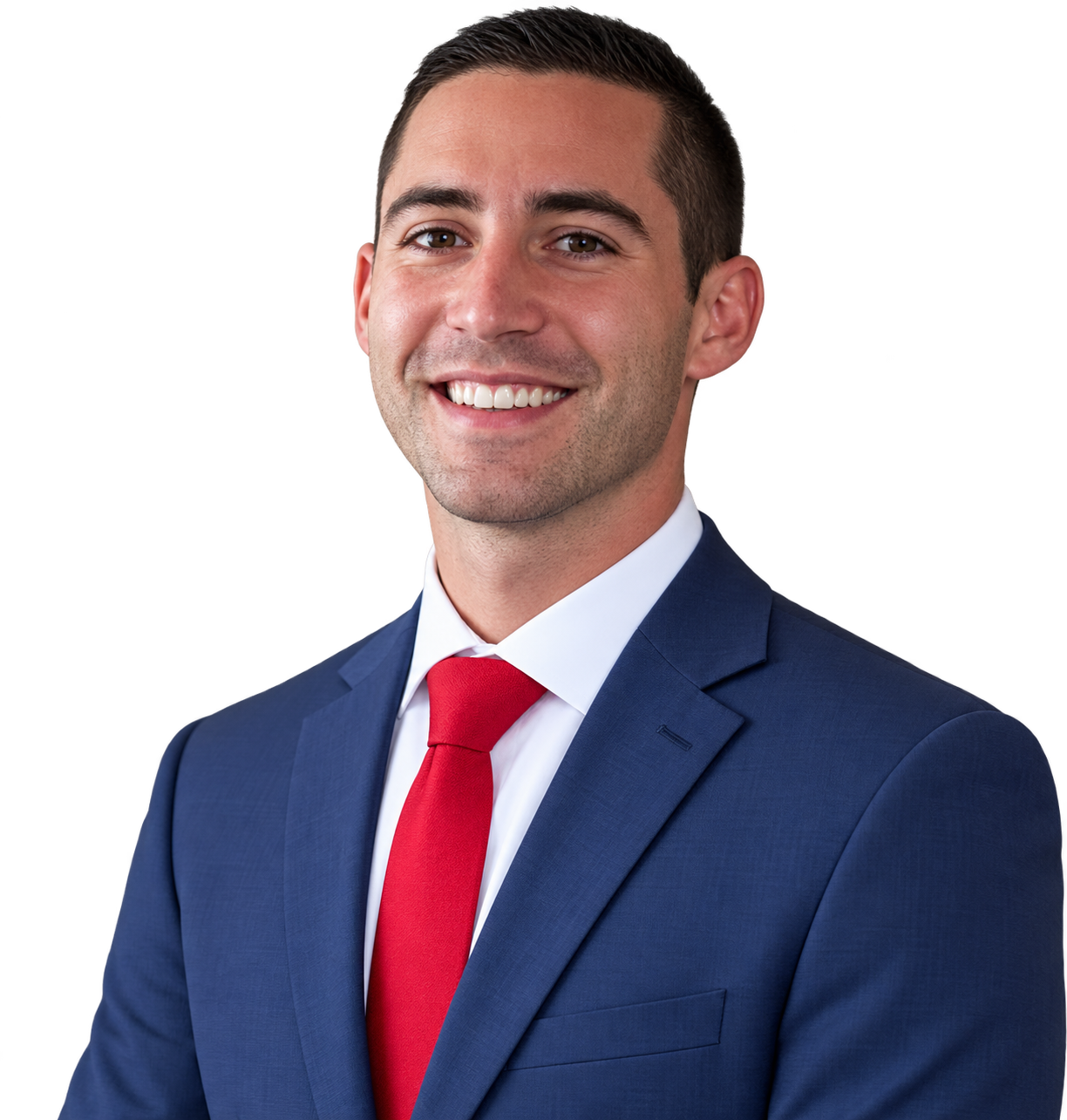
Charles Possino is identified in the supplied intake as Verum Law's founder and managing partner. The reported practice description includes representing individuals and businesses in civil litigation and transactional matters.
The supplied biography also describes work from inception through trial and appeals in state and federal courts. These credentials and experience statements require verification before public use.
General orientation only. Visitor status, control, notice, condition, conduct, insurance, and current law determine a specific analysis.
Free Case ConsultationNo. Liability depends on legal duty, possession or control, condition or activity, notice, causation, defenses, and other facts.
Different areas may be controlled by different owners, tenants, managers, vendors, or public entities and have different records or duties.
Prompt, specific requests to the correct entity may be important because systems and retention periods vary.
Reports, complaints, inspections, cleaning or repair records, photographs, video, witnesses, duration, and recurring patterns may be relevant.
A claim is not necessarily decided by one missing report, but other contemporaneous evidence and prompt documentation become especially important.
Comparative-fault issues may arise from visibility, route, warnings, attention, activity, or other conduct, but allocation depends on evidence and law.