
At the scene
The event record
Vehicle positions, photographs, witness information, roadway conditions, and available reports may help establish what can be evaluated later.

Services for people and families navigating injuries, unsafe conditions, and loss caused by an incident.
10 servicesThe Claim
A collision may involve more than the visible vehicle damage. The useful starting point is to separate the event, available coverage, and documented effects—then examine how those records fit together.
At the scene
Vehicle positions, photographs, witness information, roadway conditions, and available reports may help establish what can be evaluated later.
Across policies
Personal injury protection, liability coverage, and uninsured or underinsured motorist coverage may each raise different questions.
Over time
Medical records, repair information, time away from work, and related expenses may become part of the broader claim record.
No single item automatically decides every collision. A careful review looks for agreement—and tension—across several evidence sources.
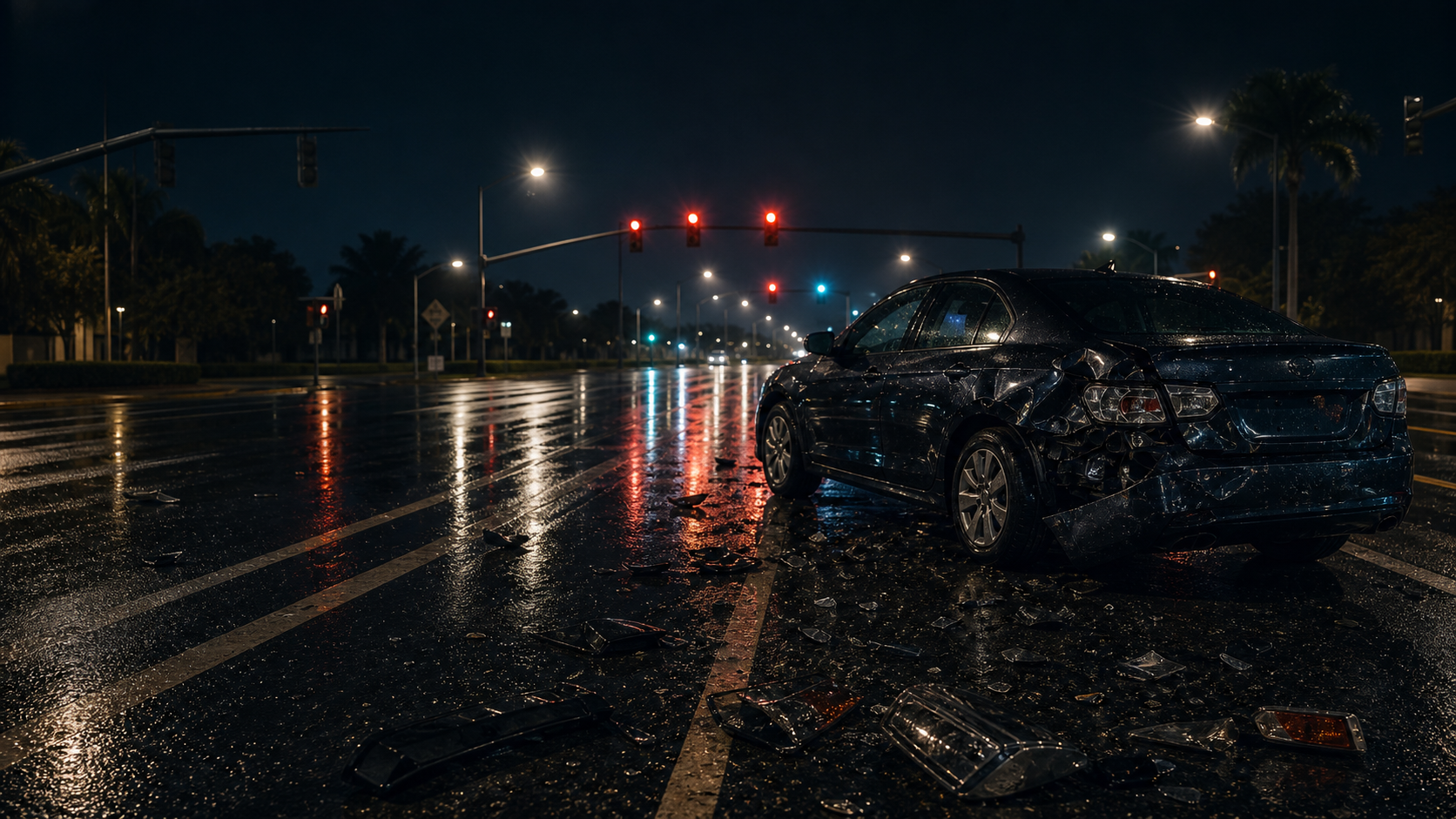
Lane markings, traffic controls, sight lines, weather, debris, and vehicle resting positions can provide context.

Accounts from drivers and witnesses may be compared with physical and digital records rather than read in isolation.
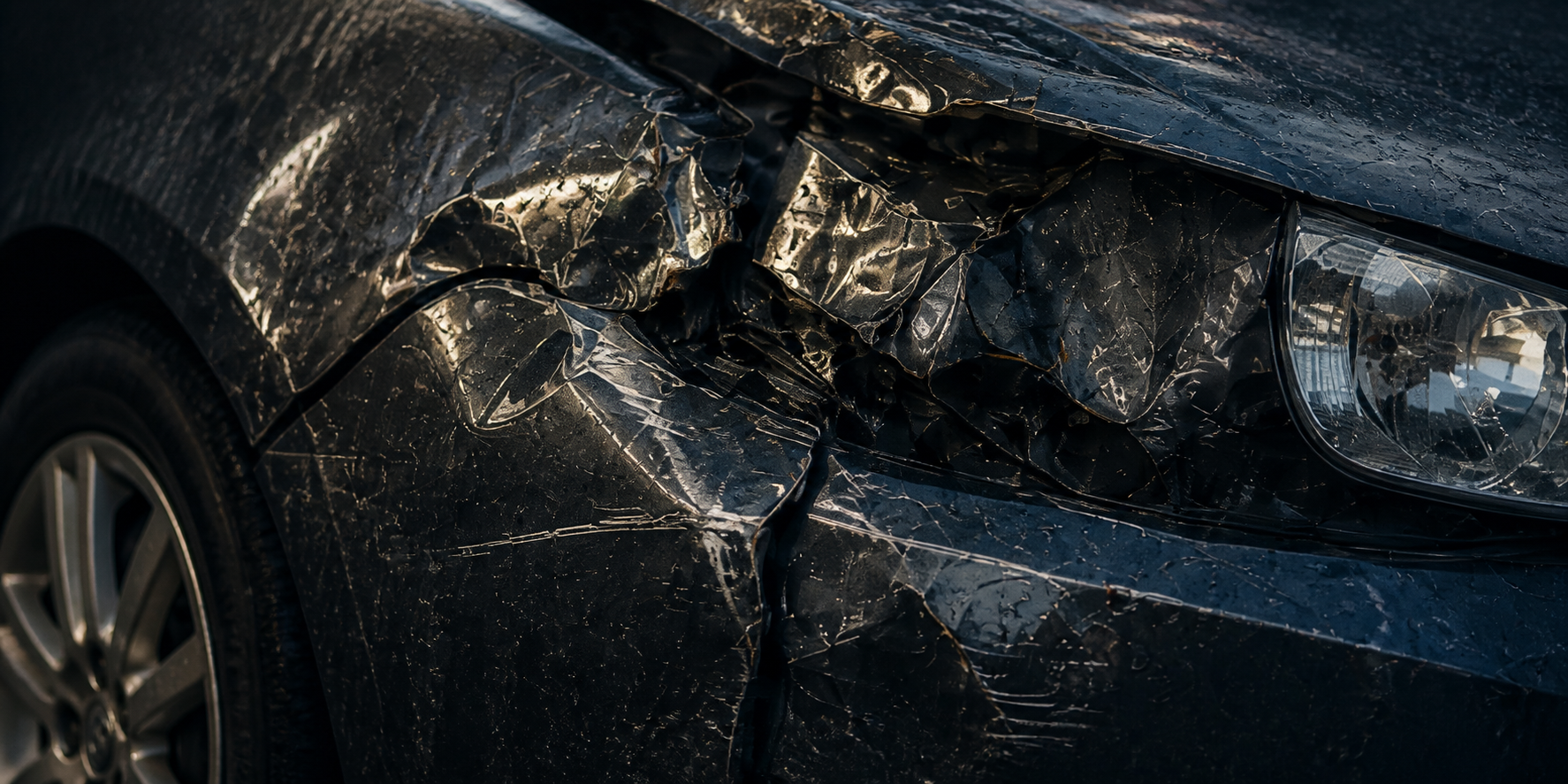
Damage patterns, repair estimates, event data when available, and the location of impact may clarify sequence.

Crash reports, nearby cameras, photographs, phone records when lawfully available, and third-party accounts may add corroboration.
The relevance and availability of any source depends on the facts. This framework does not determine fault.
Terms You May Hear
Plain-English orientation for common words used in Florida motor-vehicle claims. Exact policy language and legal effect can vary.
Coverage that may respond to covered harm a policyholder is legally responsible for causing.
No two matters follow an identical route. This six-part working model shows how facts, records, coverage, and legal choices can move from initial review toward resolution or litigation.
Discuss Your SituationPreserve available scene information, reporting details, photographs, witness contacts, and insurance information.
Seek appropriate medical attention and describe symptoms accurately. Health decisions belong with qualified professionals.
Organize reports, policy information, medical records, repair materials, communications, and documented expenses.
Compare evidence sources, identify factual gaps, and examine how the available coverage may relate to the documented impact.
When appropriate, assemble a supported presentation and respond to questions, requests, and settlement positions.
Review available resolution terms or determine whether filing and pursuing a lawsuit is an appropriate next step.
Explore the broader practice areas that may overlap with the facts, coverage, injuries, and losses involved.
Explore Practice AreasVerum Law represents individuals and businesses in civil litigation and transactional matters across Florida.
Bodily Injury: 10 services
Services for people and families navigating injuries, unsafe conditions, and loss caused by an incident.




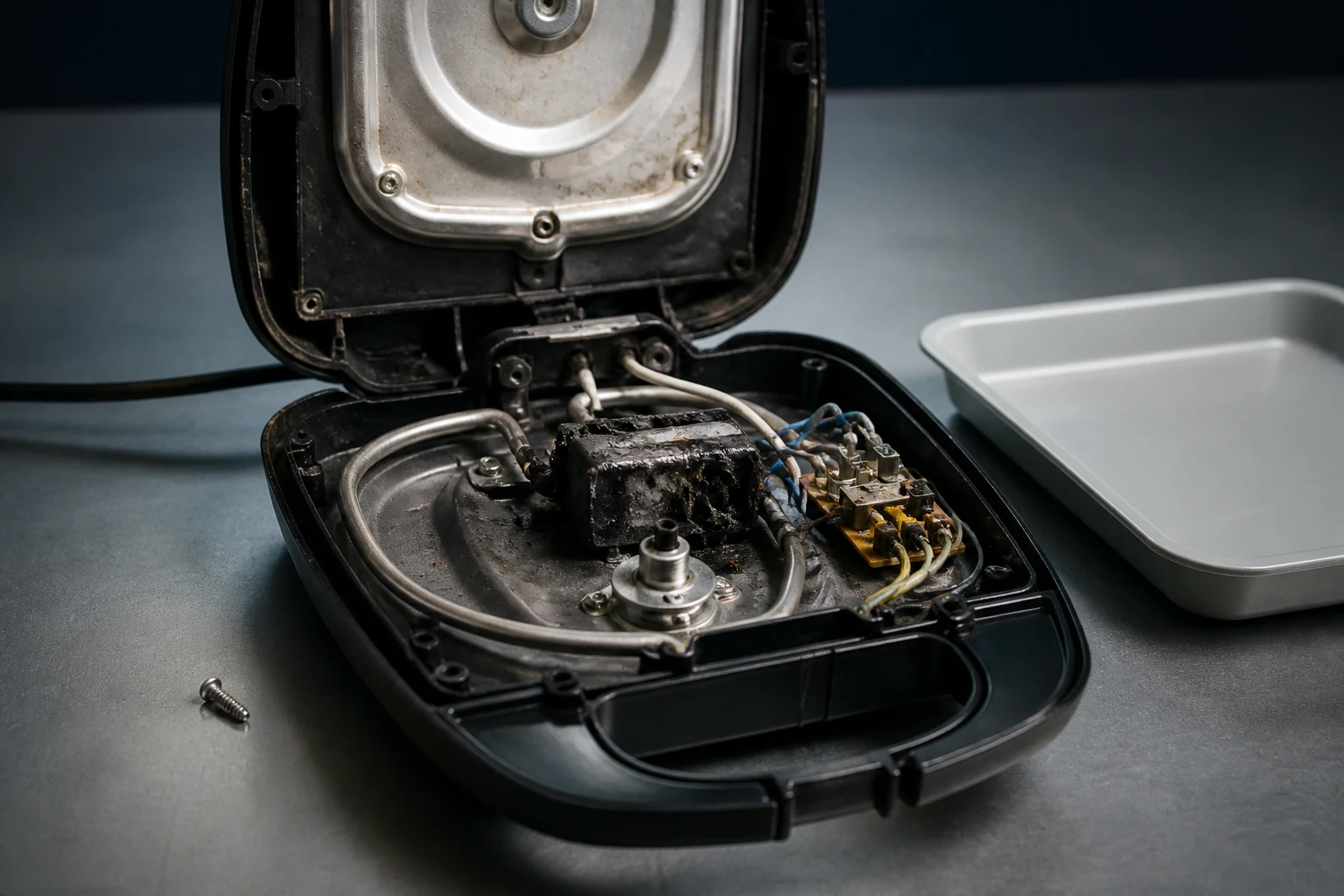


The current firm concept emphasizes a practice spanning transactional matters and civil litigation for Florida businesses and individuals.
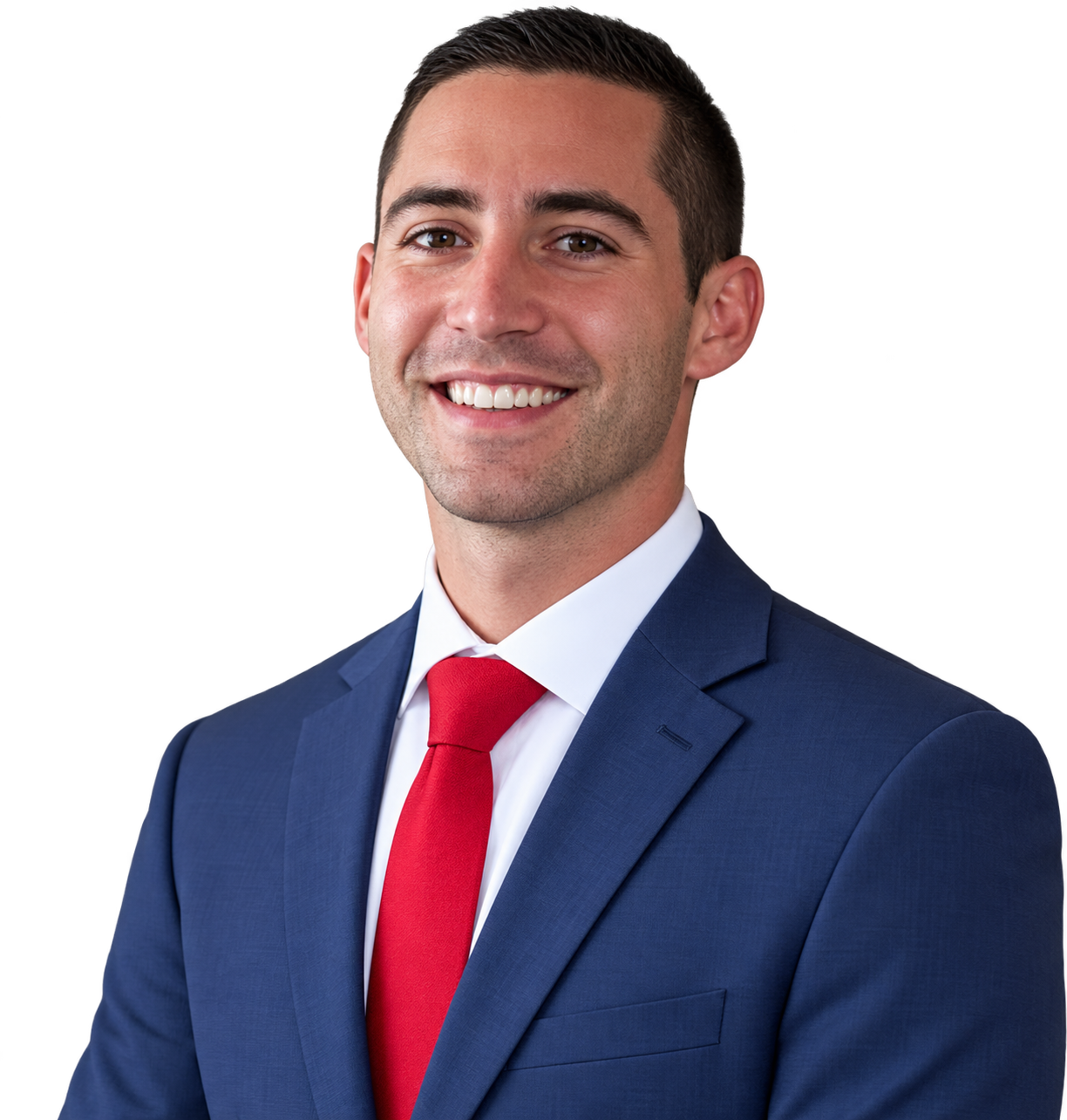
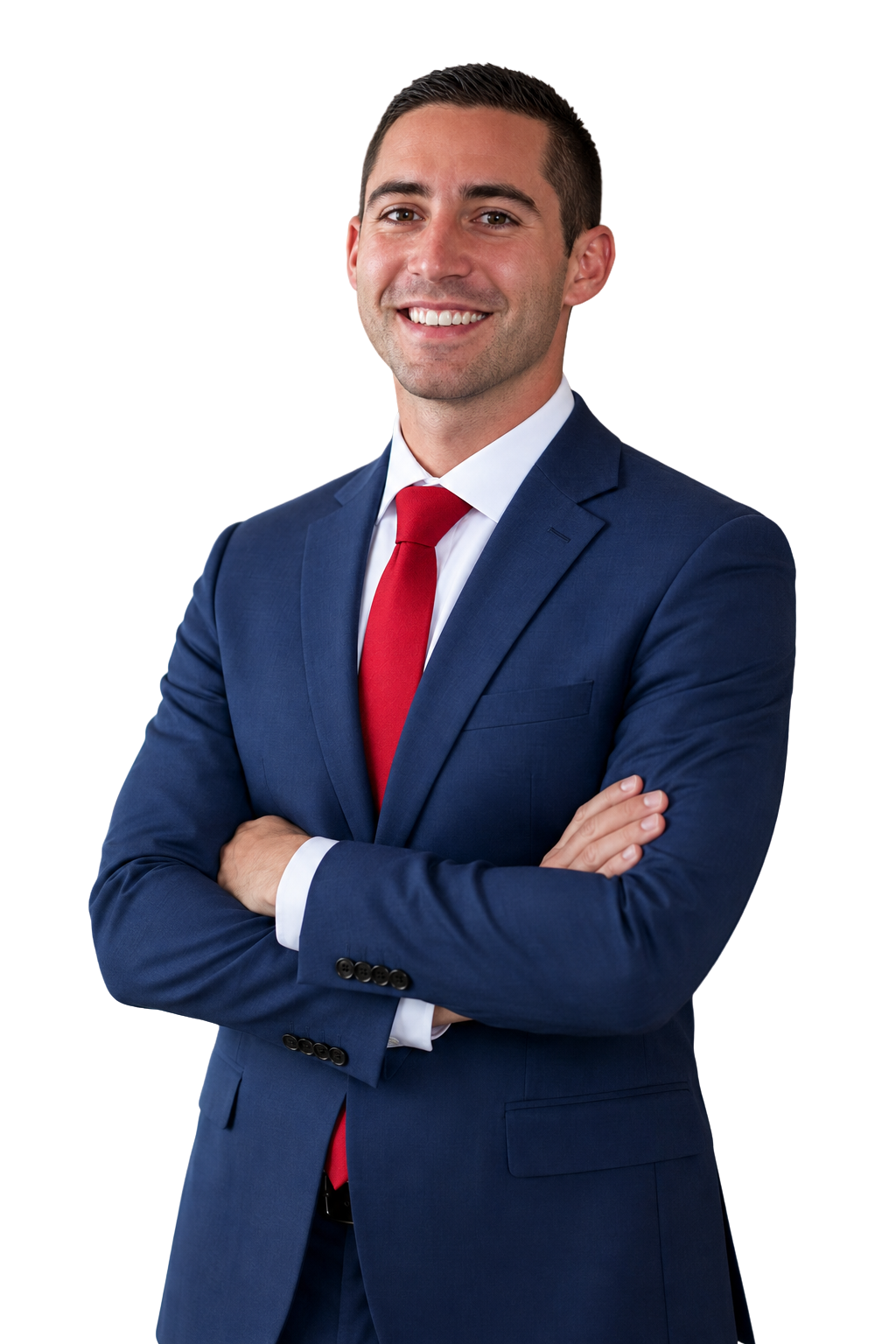
Charles Possino is identified in the supplied intake as Verum Law's founder and managing partner. The reported practice description includes representing individuals and businesses in civil litigation and transactional matters.
The supplied biography also describes work from inception through trial and appeals in state and federal courts. These credentials and experience statements require verification before public use.
General orientation for common first questions. Individual rights, deadlines, and coverage depend on the facts and current law.
Free Case ConsultationPrioritize immediate safety and appropriate medical care. Report the crash when required, exchange information, and preserve photographs or witness details only when it is safe to do so. Requirements can depend on what occurred.
A report may document observations and information gathered at the scene, but it is not automatically the final answer to every civil responsibility question. Other evidence may matter.
Florida law can allocate responsibility among people or entities whose conduct contributed to an incident. The effect on a claim depends on the current statute and the established facts.
PIP is Florida motor-vehicle coverage that may provide certain benefits without first resolving who caused the crash. Eligibility, limits, timing, and covered services depend on the policy and law.
Medical decisions should be made with qualified health professionals. Some symptoms may change over time, and timing can also affect insurance questions, so avoid delaying appropriate care merely because damage appears modest.
Available options may depend on the policies in effect, including any applicable uninsured or underinsured motorist coverage, as well as the parties and facts involved.
Insurers may request statements for different reasons. Before responding, understand who is asking, which policy is involved, and the applicable duties. Avoid guessing or speculating about facts you do not know.
Potentially useful materials include photographs, report details, witness contacts, policy information, insurer communications, medical records, repair records, expense documentation, and work-related records.
There is no universal timeline. Investigation, treatment, coverage questions, negotiation, the number of parties, disputed facts, and litigation can all affect duration.
Consider seeking advice promptly when injuries, disputed responsibility, multiple parties, coverage questions, or possible deadlines are involved. An initial inquiry does not guarantee representation.