
At the event
Preserve the mechanism
Document the impact, movement, loss or alteration of consciousness if observed, immediate symptoms, witnesses, safety equipment, and incident evidence.

Services for people and families navigating injuries, unsafe conditions, and loss caused by an incident.
10 servicesThe Matter
A traumatic brain injury can affect physical, cognitive, emotional, sleep, communication, and daily function. The legal record should connect the incident, clinical evaluation, symptom course, treatment, and real-world impact without overstating medical conclusions.
At the event
Document the impact, movement, loss or alteration of consciousness if observed, immediate symptoms, witnesses, safety equipment, and incident evidence.
Through evaluation
Organize emergency records, imaging, neurological and cognitive assessments, symptom reports, referrals, therapy, medication, and follow-up.
In daily life
Use accurate records of work, school, memory, concentration, mood, sleep, communication, driving, relationships, and support needs.
No single scan, symptom, or label answers every question. Clinical findings, history, mechanism, symptom consistency, alternative explanations, treatment, and functional evidence may all be compared.
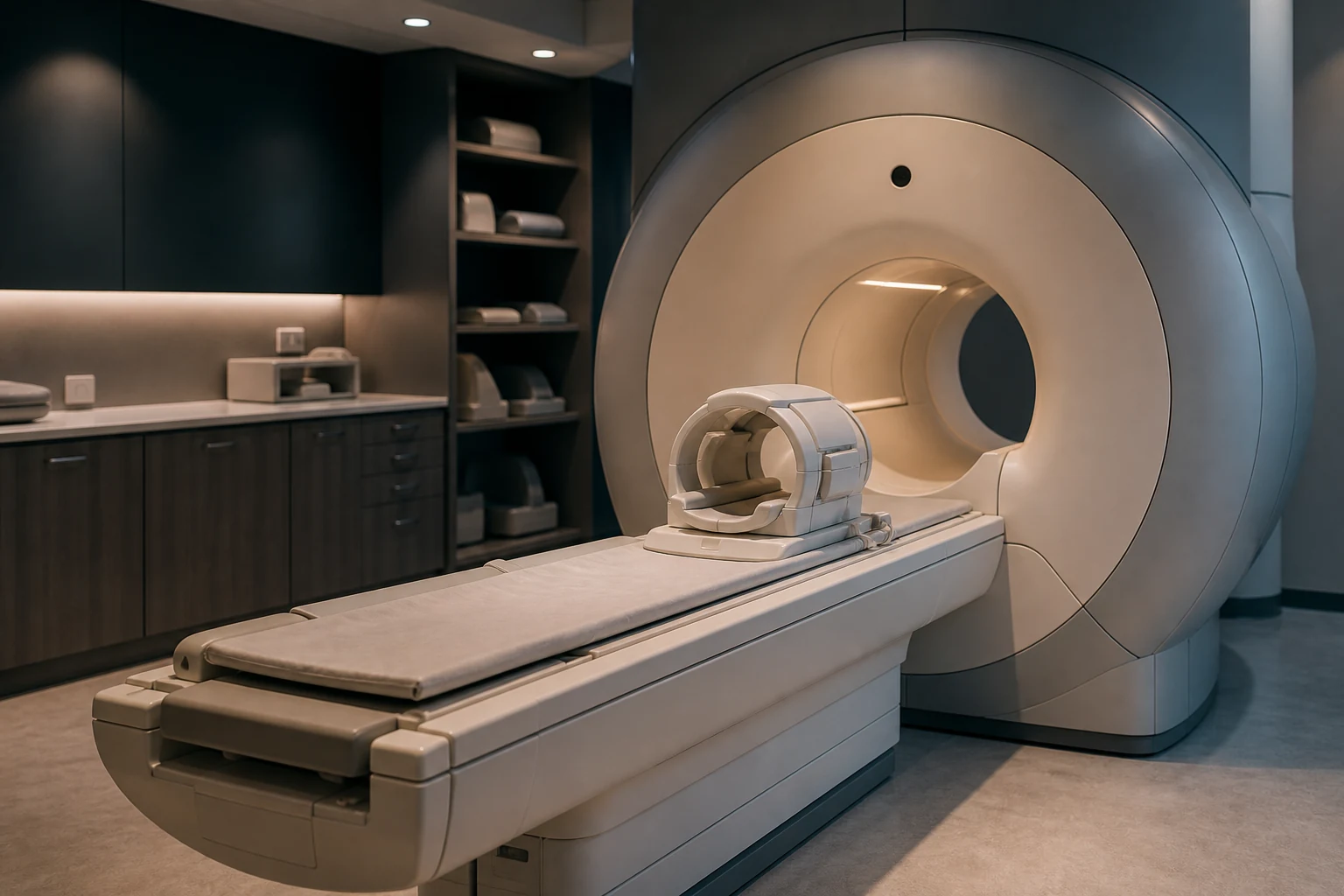
The incident dynamics, immediate observations, emergency assessment, and early symptoms provide important context.
Neurological examinations, imaging when used, standardized testing, therapy records, and qualified opinions may inform diagnosis and prognosis.
Contemporaneous reports across providers, family, work, school, and daily records can show change over time.
Work capacity, independence, supervision, rehabilitation, safety, accommodations, and future care require individualized evidence.
The relevance and legal effect of each factor depend on the documents, parties, governing law, and procedural posture. This framework is general information, not a conclusion about a specific matter.
Terms You May Hear
General orientation to common brain-injury concepts. Diagnosis, treatment, and prognosis belong with qualified health professionals.
Mental processes such as attention, memory, processing speed, language, and executive function.
TBI claims require coordinated medical care and a careful, longitudinal evidence record rather than reliance on one dramatic event or isolated test.
Discuss Your SituationSeek appropriate assessment for concerning symptoms and follow qualified emergency and follow-up guidance.
Secure reports, video, photographs, witnesses, equipment, vehicle or product information, and mechanism details.
Organize prior health, acute care, imaging, referrals, therapy, medications, symptoms, and provider recommendations.
Document work, school, household, sleep, communication, mood, safety, and relationship effects accurately.
Clinical, neuropsychological, vocational, rehabilitation, and economic evidence may be appropriate depending on the issues.
Connect responsibility, medical causation, function, losses, coverage, and future needs through negotiation or litigation.
Explore related catastrophic-injury, vehicle, premises, product, and wrongful-death services.
Explore Practice AreasVerum Law represents individuals and businesses in civil litigation and transactional matters across Florida.
Bodily Injury: 10 services
Services for people and families navigating injuries, unsafe conditions, and loss caused by an incident.








The current firm concept emphasizes a practice spanning transactional matters and civil litigation for Florida businesses and individuals.

Charles Possino is identified in the supplied intake as Verum Law's founder and managing partner. The reported practice description includes representing individuals and businesses in civil litigation and transactional matters.
The supplied biography also describes work from inception through trial and appeals in state and federal courts. These credentials and experience statements require verification before public use.
General orientation only. Anyone with possible TBI symptoms should rely on qualified medical guidance; legal conclusions depend on the complete evidence and current law.
Free Case ConsultationCDC guidance explains that TBI symptoms and diagnosis are not reduced to one imaging result. Qualified clinicians should evaluate the individual presentation.
Possible symptoms can involve headache, dizziness, sleep, vision, balance, memory, concentration, mood, behavior, or other functions. Urgent warning signs require medical attention.
A complete history helps clinicians and experts distinguish baseline conditions, new symptoms, aggravation, alternative explanations, and treatment needs.
Clinical records, qualified testing, contemporaneous examples, work or school information, family observations, and functional records may be considered.
A concise, accurate contemporaneous record may help communicate with providers, but it should not replace medical evaluation or exaggerate ordinary fluctuation.
Symptoms and recovery can evolve. Follow qualified medical guidance and keep providers informed about new, worsening, or persistent concerns.