
At the scene
Identify the vehicle and route
Preserve operator, carrier, route, location, passenger, witness, photograph, video, and reporting information when safely available.

Services for people and families navigating injuries, unsafe conditions, and loss caused by an incident.
10 servicesThe Matter
A bus accident can involve passengers, other road users, an operator, a carrier, maintenance providers, property owners, or public entities. The useful record extends beyond the collision report.
At the scene
Preserve operator, carrier, route, location, passenger, witness, photograph, video, and reporting information when safely available.
Within the operation
Trip logs, onboard video, driver qualification, inspection, maintenance, dispatch, and incident records may become relevant.
Over time
Medical care, symptoms, work effects, expenses, communications, and coverage should be organized as the facts develop.
Responsibility may depend on driving conduct as well as the systems behind the trip, including hiring, supervision, maintenance, scheduling, loading, stops, and roadway conditions.
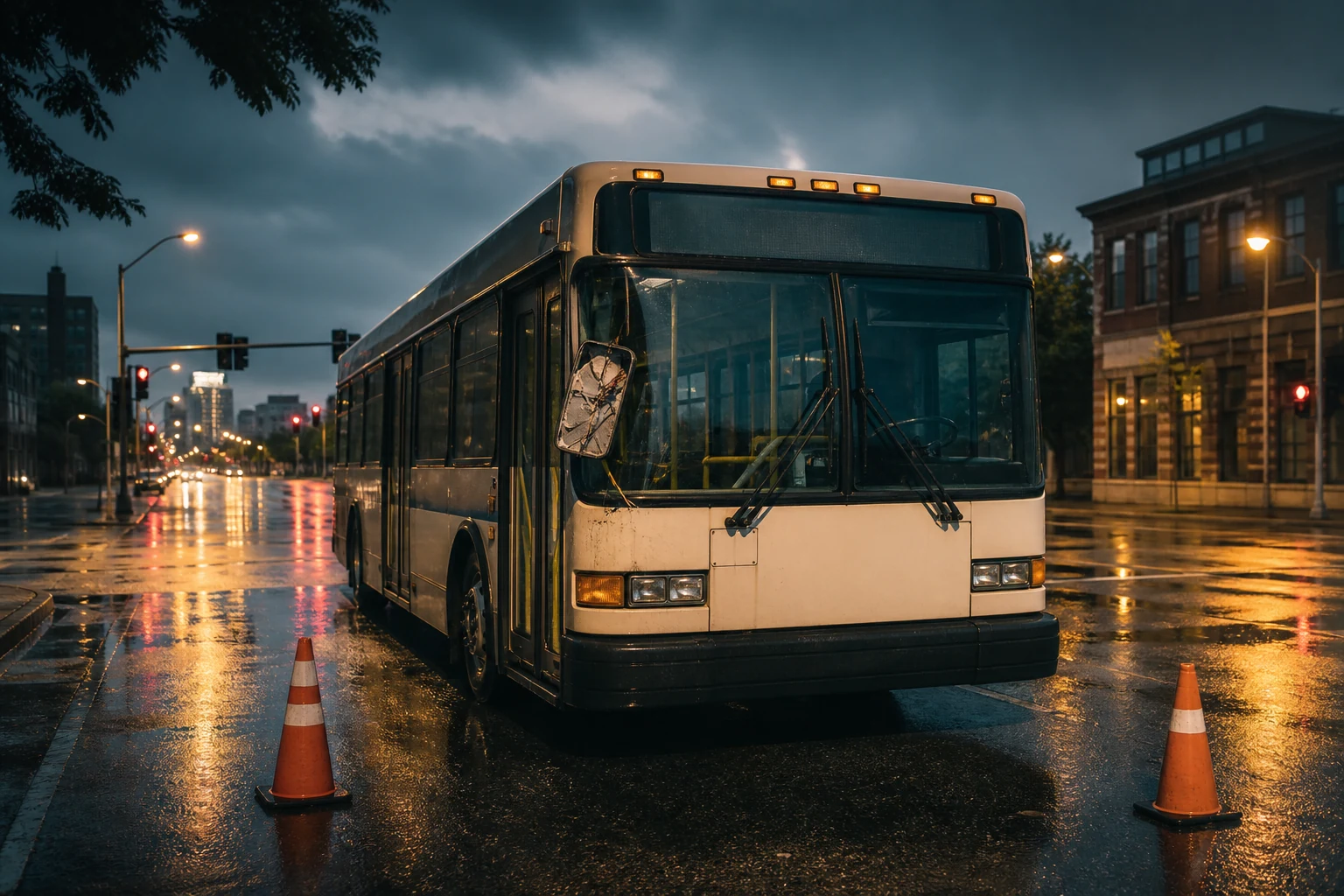
Signals, speed, lane movement, stopping, visibility, statements, and available video help reconstruct the event.
Ownership, employment, dispatch, policies, training, qualification, supervision, and route records may identify additional issues.
Inspection, maintenance, repairs, tires, brakes, doors, restraints, and defect information may require preservation and expert review.
Boarding, movement, warnings, other vehicles, property conditions, and emergency response can affect the factual analysis.
The relevance and legal effect of each factor depend on the documents, parties, governing law, and procedural posture. This framework is general information, not a conclusion about a specific matter.
Terms You May Hear
Common transportation-claim concepts in plain language. Applicable duties vary with the vehicle, operator, carrier, route, and public or private status.
A basis for holding one party responsible for qualifying conduct of another because of their legal relationship.
Bus matters require prompt identification of the operating structure and preservation of transportation records alongside the ordinary injury-claim record.
Discuss Your SituationRecord the bus, route, operator, carrier, location, time, agencies, and available incident identifiers.
Seek retention of onboard, roadway, dispatch, fare, maintenance, and electronic records as appropriate.
Identify ownership, employment, contractors, public entities, insurers, and any special procedural questions.
Compare operator conduct, roadway facts, policies, records, vehicle condition, and witness accounts.
Organize medical, work, expense, and daily-impact records accurately over time.
Use the supported record in negotiation or proceedings while tracking procedural and coverage issues.
Explore related services for catastrophic injury, brain injury, roadway collisions, premises issues, and wrongful death.
Explore Practice AreasVerum Law represents individuals and businesses in civil litigation and transactional matters across Florida.
Bodily Injury: 10 services
Services for people and families navigating injuries, unsafe conditions, and loss caused by an incident.







The current firm concept emphasizes a practice spanning transactional matters and civil litigation for Florida businesses and individuals.

Charles Possino is identified in the supplied intake as Verum Law's founder and managing partner. The reported practice description includes representing individuals and businesses in civil litigation and transactional matters.
The supplied biography also describes work from inception through trial and appeals in state and federal courts. These credentials and experience statements require verification before public use.
General orientation only. Public or private operation, notice rules, insurance, duties, and deadlines require prompt matter-specific review.
Free Case ConsultationRoute number, vehicle or fleet number, operator, carrier, time, stop, direction, fare record, photographs, and incident number can help.
It may exist, but retention practices vary. Prompt, properly directed preservation efforts may be important.
Potential parties depend on driving, ownership, employment, contracting, maintenance, roadway, property, and vehicle facts.
Claims involving governmental entities can involve distinct notice, immunity, procedure, and timing questions requiring prompt legal review.
Movement during boarding, exiting, stopping, turning, acceleration, warnings, and passenger conditions should be evaluated from the available evidence.
Emergency and follow-up records, symptom history, restrictions, expenses, work effects, and relevant prior medical information may matter.