
At the incident
Secure the product record
Preserve the product without testing or alteration, along with packaging, labels, serial or lot numbers, photographs, receipts, and witness information.

Services for people and families navigating injuries, unsafe conditions, and loss caused by an incident.
10 servicesThe Matter
A product claim depends on identifying the exact item and preserving it, its packaging, instructions, purchase history, condition, use, changes, incident evidence, and the companies in its distribution chain.
At the incident
Preserve the product without testing or alteration, along with packaging, labels, serial or lot numbers, photographs, receipts, and witness information.
Across the distribution chain
Manufacturer, component suppliers, importer, distributor, seller, installer, servicer, and owner roles may require investigation.
Through technical review
Design, manufacturing, warnings, foreseeable use, maintenance, changes, alternatives, standards, and injury mechanics may require expert analysis.
Injury alone does not establish a product defect. The precise product, alleged defect theory, condition when distributed, use and changes, causation, and damages need evidence.
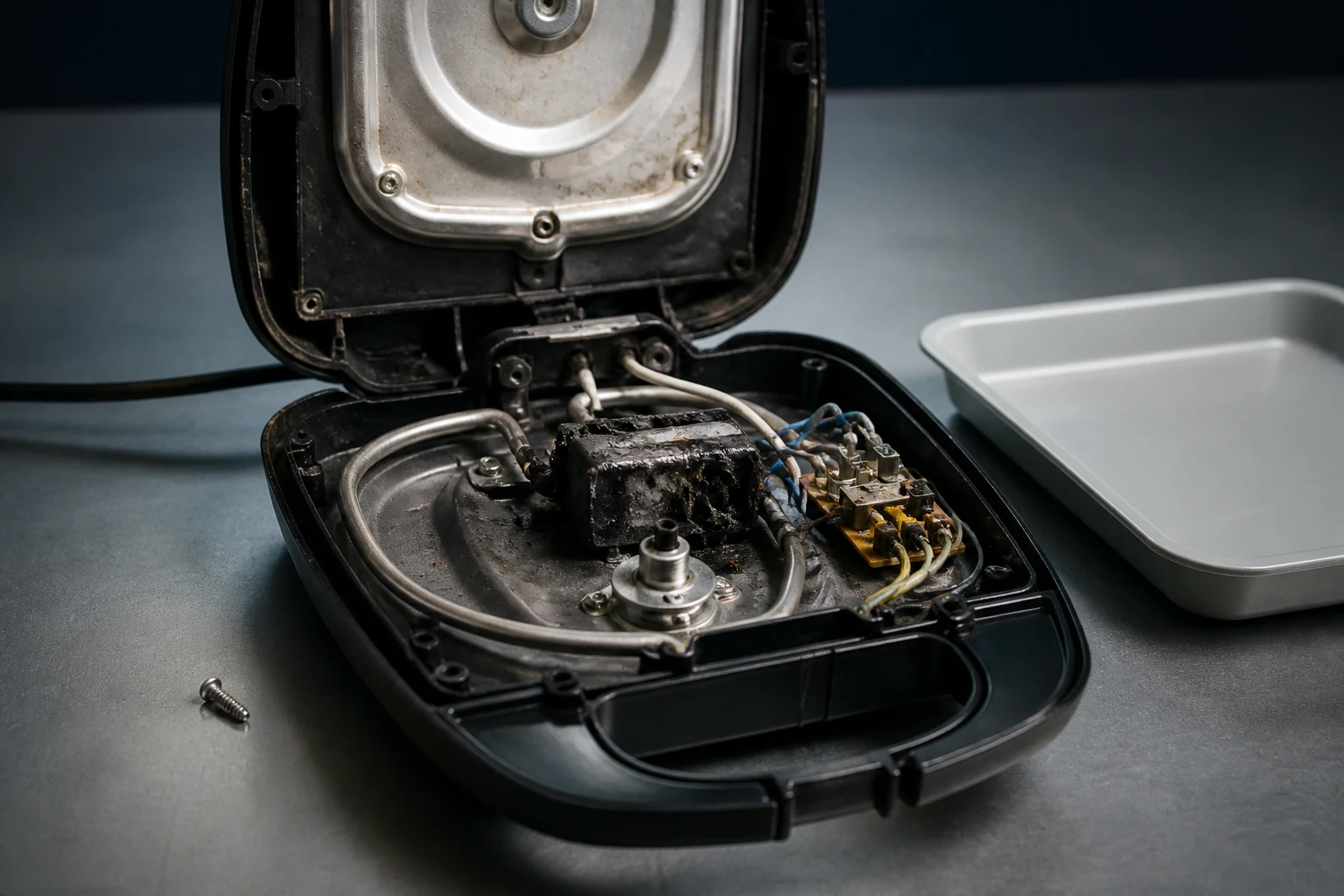
Model, serial or lot data, purchase source, ownership, storage, handling, and chain of custody protect the integrity of the analysis.
Specifications, exemplars, testing, quality records, components, deviations, and feasible alternatives may be examined.
Labels, manuals, marketing, known risks, intended users, visibility, content, and adherence can be relevant.
Assembly, installation, maintenance, environment, misuse, alteration, wear, and incident mechanics must be tested.
The relevance and legal effect of each factor depend on the documents, parties, governing law, and procedural posture. This framework is general information, not a conclusion about a specific matter.
Terms You May Hear
Common product-claim concepts in plain language. The viable theories and proof depend on current law and technical facts.
An alleged departure of a particular product from its intended design or specifications.
Product cases require evidence control before destructive testing or disposal, followed by distribution research, technical evaluation, medical causation, and legal analysis.
Discuss Your SituationSecure the item, components, packaging, instructions, photographs, environment, and witness information.
Document model, serial or lot data, seller, receipts, date, owner, installation, service, and custody.
Research manufacturers, suppliers, importers, distributors, retailers, installers, and service entities.
Use qualified review where appropriate to examine design, manufacture, warnings, standards, alternatives, and causation.
Organize medical, functional, work, expense, and relevant prior-health evidence.
Coordinate inspection protocols, experts, discovery, defenses, and resolution without altering key evidence.
Explore related catastrophic-injury, premises-liability, brain-injury, and wrongful-death services.
Explore Practice AreasVerum Law represents individuals and businesses in civil litigation and transactional matters across Florida.
Bodily Injury: 10 services
Services for people and families navigating injuries, unsafe conditions, and loss caused by an incident.







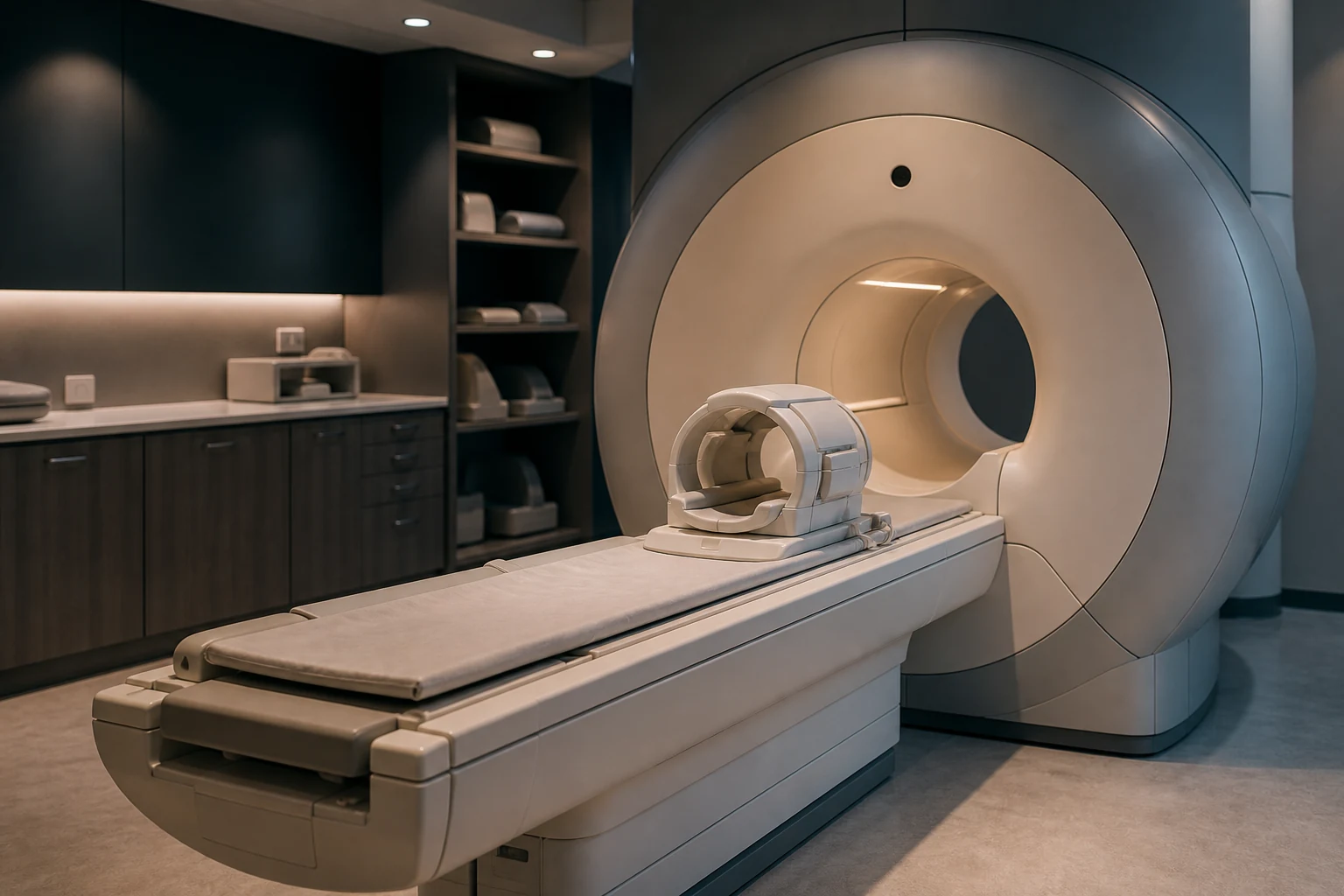

The current firm concept emphasizes a practice spanning transactional matters and civil litigation for Florida businesses and individuals.
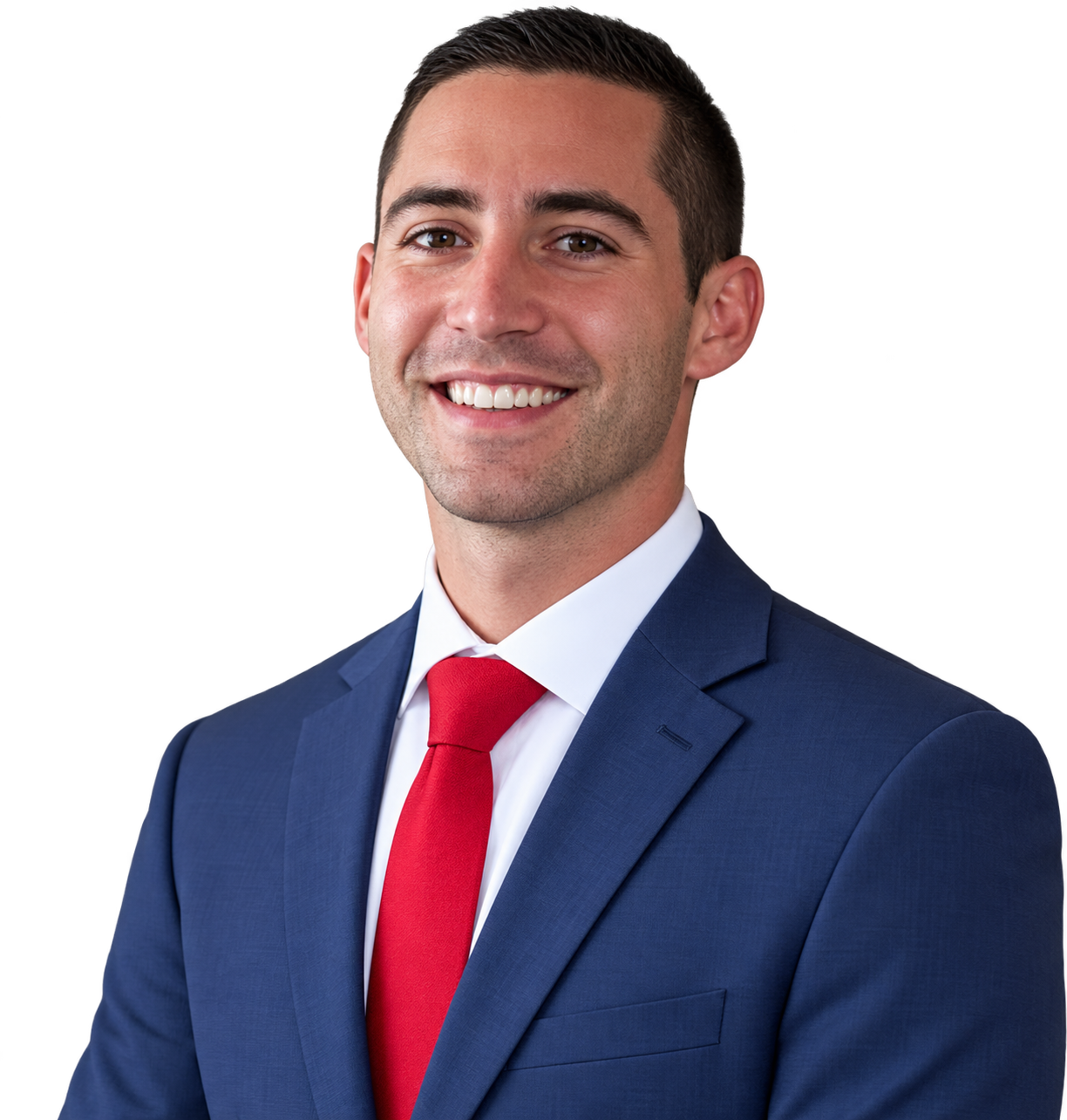
Charles Possino is identified in the supplied intake as Verum Law's founder and managing partner. The reported practice description includes representing individuals and businesses in civil litigation and transactional matters.
The supplied biography also describes work from inception through trial and appeals in state and federal courts. These credentials and experience statements require verification before public use.
General orientation only. Product identity, condition, technical evidence, parties, defenses, and current law determine any specific claim.
Free Case ConsultationNot before obtaining advice when a claim may exist. Preserving the product and its condition can be critical, and uncontrolled testing or repair can change evidence.
Model, serial and lot numbers, date codes, labels, packaging, receipts, seller, photographs, and ownership or service history can help.
No. A recall may be relevant, but product identity, defect, causation, defenses, admissibility, and damages still require analysis.
Component suppliers, importers, distributors, sellers, installers, repairers, lessors, owners, or others may have relevant roles depending on the facts.
Qualified non-destructive and sometimes destructive testing may be appropriate under agreed or court-supervised protocols that protect all parties’ evidence interests.
The nature, timing, foreseeability, and causal effect of a modification require technical and legal review; modification does not support a universal result.